Elevators can quietly consume substantial energy, especially in offices, hotels, hospitals, and residential towers. Morning traffic creates repeated starts, stops, and crowded trips. During quieter hours, cars may still run lights, fans, displays, and control systems.
This guide explains how to reduce elevator energy consumption in buildings through practical, measurable improvements. It examines standby settings, efficient lighting, regenerative drives, traffic management, and preventive maintenance. Each measure should match the building’s age, passenger demand, and elevator technology.
A facility manager might begin with a simple energy audit. Check the elevator room, review meter data, and compare weekday traffic with weekend use. A car waiting on an empty floor should not operate like one serving constant hospital traffic. Small changes can matter. LED lighting and automatic shutdown controls often provide visible savings without affecting accessibility or safety.
However, no single upgrade works everywhere. Regenerative systems may require significant investment. Aggressive standby settings can frustrate passengers if cars respond slowly. Poor maintenance can also erase expected savings. These limitations deserve honest attention.
Reliable decisions should involve qualified elevator contractors, energy professionals, and local safety requirements. Record baseline consumption before changing settings. Then measure results over several weeks. The numbers may disappoint at first, but they can reveal useful patterns. Energy reduction should never compromise safe operation, emergency access, or passenger comfort.
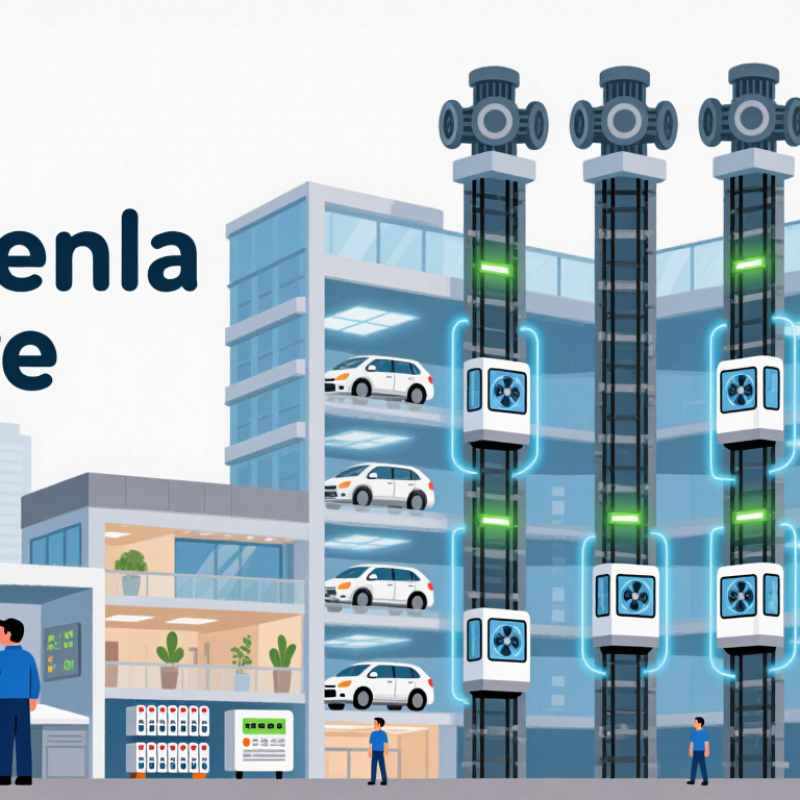
7 Tips to Reduce Elevator Energy Consumption in Buildings
Understanding elevator energy use starts with daily movement. The motor works hardest during acceleration, braking, and heavy upward travel. Lighting, ventilation, displays, and controllers also consume power while cars wait. In a busy office, repeated short trips can create more energy demand than expected. Tip 1: Measure travel patterns before changing settings. Tip 2: Use standby controls for lights, fans, and screens during quiet periods. Tip 3: Keep doors, sensors, and guide systems properly maintained. Poor alignment can increase operating resistance. Small faults matter.
Tip 4: Adjust elevator dispatching to reduce unnecessary car movement. During low traffic, one active car may serve the building adequately. However, settings should protect accessibility and waiting-time requirements. Tip 5: Encourage stair use for short trips where safe and practical. Clear signs near the lobby can influence behavior. Tip 6: Review motor and drive performance with a qualified technician. Regenerative systems may return braking energy to the building, but actual savings depend on traffic and electrical design. Check measured results, not assumptions.
Tip 7: Choose efficient lighting and ventilation components during upgrades. Replacing these small loads can reduce idle consumption throughout the year. Energy reports can be imperfect. Meter placement, seasonal traffic, and tenant schedules may distort comparisons. I have found that simple operating changes sometimes outperform expensive equipment upgrades. Still, every building behaves differently. Test, record, and revise carefully.
| No. | Energy-Saving Tip | How It Reduces Energy Use | Typical Electricity Reduction* | Recommended Performance Indicator | Practical Application |
|---|---|---|---|---|---|
| 1 | Use efficient traction systems | Gearless traction elevators generally use less energy than hydraulic systems, particularly in mid-rise and high-rise buildings, because they avoid lifting hydraulic fluid over the full travel height. | 20–50% | Annual elevator electricity use per floor served (kWh/floor/year) | Consider efficient traction equipment when replacing an elevator or designing a new building. Confirm suitability for travel height, load, speed, and traffic conditions. |
| 2 | Install regenerative drive technology | During braking or when the counterweight assists the motor, a regenerative drive can return part of the recovered energy to the building electrical system instead of dissipating it as heat. | 15–35% | Recovered electricity (kWh/month) and net elevator energy consumption (kWh/month) | Best suited to elevators with frequent starts, stops, high travel distances, or significant two-way traffic. Measure recovered energy after commissioning. |
| 3 | Activate standby and sleep modes | Lighting, ventilation fans, displays, and control components can enter low-power mode when the elevator is idle, reducing electricity consumed between trips. | 5–15% | Idle power demand (watts) and percentage of time in standby mode | Set sleep timers according to traffic patterns and safety requirements. Avoid unnecessary activation during short periods of inactivity. |
| 4 | Use LED lighting and efficient ventilation | LED lamps use less electricity and last longer than conventional lighting. Demand-controlled fans can operate only when ventilation or temperature control is needed. | 2–8% | Cabin lighting and fan energy (kWh/month) | Replace lamps during planned maintenance and link lighting or ventilation controls to door operation, occupancy, or standby status where permitted. |
| 5 | Optimize group dispatching | Intelligent dispatching can reduce unnecessary trips, improve car loading, and assign the most suitable elevator to each call, especially during changing traffic periods. | 5–15% | Energy per passenger trip (Wh/passenger-trip) and average trips per elevator | Review peak, off-peak, and weekend settings. Coordinate dispatching with building occupancy schedules and access-control data. |
| 6 | Reduce unnecessary trips | Destination controls, service zoning, and scheduling can reduce low-occupancy trips and prevent multiple elevators from responding to the same demand. | 3–10% | Trips without passengers, average car occupancy, and daily trip count | Use scheduling for cleaning, deliveries, and maintenance movements. Keep accessibility and emergency-use requirements fully protected. |
| 7 | Maintain mechanical efficiency | Proper lubrication, accurate door alignment, clean sensors, correct counterweight balance, and timely replacement of worn components help prevent friction, repeated door cycles, and inefficient operation. | 3–12% | Monthly electricity trend, door-cycle faults, ride quality, and corrective-maintenance frequency | Include energy performance in preventive-maintenance inspections and investigate sudden increases in electricity use or door operating time. |
Study passenger traffic during morning arrivals, lunch periods, and evening departures. Group travelers going to nearby floors. This can reduce repeated stops and empty return trips. Measure results carefully.
Often, yes, when safety requirements allow it. Keep enough cars available for real demand. Check waiting times and complaints before making the setting permanent. Quiet hours vary.
Match elevator availability with occupancy patterns. An office building may need more cars from 8:00 to 9:00 a.m. It may need fewer after 7:00 p.m. Test the schedule instead of guessing.
Clear signs can encourage people to use stairs for one or two floors. The route should be visible, safe, and comfortable. A sign near the lobby may change behavior. Small changes matter.
Regenerative drives can recover energy during certain loaded descents and empty ascents. Efficient motors, lighting, door systems, and ventilation fans also help. Savings depend on real traffic. Brochures are not enough.
Use it after studying passenger behavior and travel patterns. It can group nearby destinations and reduce unnecessary stops. Poor settings may create extra trips. That part is easy to underestimate.
Clean door tracks and sensors regularly. Check leveling accuracy, lubrication, traction components, and counterweight alignment. Inspect lights, fans, and standby modes. Small faults can quietly increase power use.
Track energy use, average waiting time, stops per journey, travel time, and complaints. Compare readings across seasons and occupancy levels. Lower electricity use is not success if queues become excessive.
Keep a log of motor noise, door cycles, electricity use, and empty journeys. Frequent short trips may look harmless but create repeated movements. I once underestimated this pattern. The evidence changed the schedule, though savings were smaller than expected.
Reducing elevator energy use begins with understanding when and how elevators consume power. Building managers can learn how to reduce elevator energy consumption in buildings by analyzing traffic patterns, adjusting schedules during low-demand periods, and coordinating elevator groups to avoid unnecessary trips. Smart dispatching, destination-based control, and standby settings can reduce waiting-related movements while maintaining comfortable service for passengers.
Energy waste can also be limited through efficient operating practices, such as avoiding repeated empty runs, using appropriate acceleration and lighting settings, and encouraging stair use for short trips where practical. Regenerative drives can recover energy produced during braking or downward travel and return it to the building’s electrical system. In addition, efficient motors, lighting, ventilation, and control equipment can lower overall demand. Regular inspections, lubrication, calibration, and timely replacement of worn components help elevators operate smoothly, preserve equipment performance, and sustain energy savings over the long term.

 Keg Lift