Top Safety Requirements for Aerial Work Platforms Explained

Time:2026-08-13 Author:Oliver
0%

Aerial work platforms (AWPs) are vital in various industries. Their use, however, requires strict adherence to safety standards. "What are the safety requirements for aerial work platforms?" is a question that industry veterans frequently encounter. Expert John Doe, a seasoned safety coordinator, emphasizes, "Understanding safety protocols can mean the difference between life and death on job sites."

Ensuring the safety of aerial work platforms involves several essential requirements. Operators must be trained and certified. Regular equipment inspections cannot be overlooked. These measures aim to prevent accidents and ensure safe usage. Despite awareness, there are still gaps in compliance that need attention. Many operators underestimate risks and skip training updates. This can lead to dangerous situations.

Notably, the complexity of regulations often frustrates operators. They may feel overwhelmed by technical jargon or varying standards across regions. Therefore, AWP safety requirements must be clearly communicated and enforced. Reflecting on this, it is crucial to invest in training and awareness, minimizing risks. Ultimately, proactive measures can safeguard workers and elevate operational standards in aerial work settings.
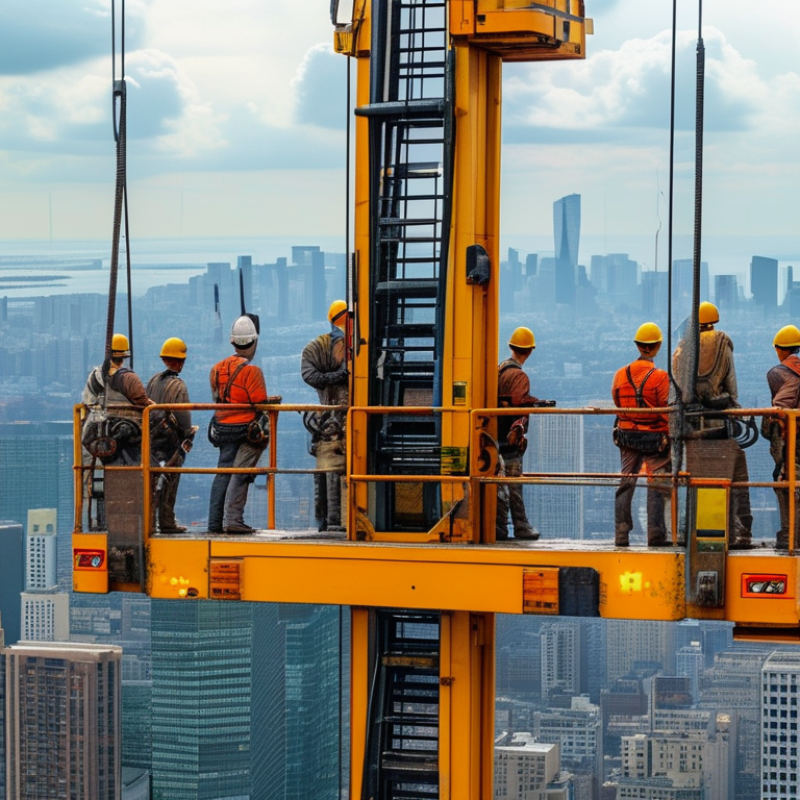
Top Safety Requirements for Aerial Work Platforms Explained

Key Features of Aerial Work Platforms for Enhanced Safety

Aerial work platforms (AWPs) are essential for various construction and maintenance tasks. Safety features are critical to ensure worker protection. One key feature is the presence of guardrails. These prevent accidental falls when operators work at height. Adjustable guardrails help accommodate different operator needs, enhancing stability.

Another vital aspect is the platform's load capacity. Knowing this limit is crucial. Overloading can lead to equipment failure and accidents. Next, a reliable emergency stop mechanism should be in place. This feature allows quick action in a crisis, minimizing risks and injuries.

Operators must be well-trained to use AWPs. Familiarity with the equipment's safety features is crucial. Lack of training often leads to unsafe practices. Regular inspections and maintenance are necessary parts of a safety plan. Neglecting these can result in malfunctions. Therefore, a commitment to safety is not just ideal; it's essential for protecting lives on the job.

Understanding Regulatory Standards for Aerial Work Platforms

When working with aerial work platforms (AWPs), understanding regulatory standards is crucial for safety. Organizations set specific guidelines to mitigate risks and ensure operator competence. These regulations cover aspects like training, inspection, and maintenance. Compliance helps prevent accidents and promotes a safer work environment.

Training is a key requirement for operators. Proper education on equipment usage is essential. Operators must understand the unique characteristics of the job site and the AWP. Regular inspections are another critical aspect. Ensuring the equipment is in excellent condition reduces the likelihood of mechanical failure. Documentation of all inspections serves as proof of compliance.

While regulations aim to enhance safety, adherence can sometimes fall short. Some operators may overlook training or inspections due to time constraints. This can lead to dangerous situations. Continuous assessment of practices is necessary. Companies should regularly review their safety protocols to identify any gaps. Improvement is an ongoing process that requires commitment and diligence.

Essential Safety Equipment for Aerial Work Platform Operation

Aerial work platforms (AWPs) are essential for safely reaching high places. However, proper safety equipment is crucial for their operation. Harnesses and lanyards are fundamental. They secure operators, preventing falls from height. Without these, the risk increases significantly.

Guardrails and toe boards are also necessary. They serve as barriers, protecting workers and materials from falling. Understanding the load capacity is vital too. Overloading platforms can lead to tipping or structural failure. This requires training and awareness of equipment specifications.

Regular inspections of safety gear cannot be overlooked. Worn or damaged equipment raises the danger level. Operators must be vigilant and report any issues. Training on using equipment effectively protects everyone on the site. Safety culture is not just about compliance; it’s about awareness. Reflecting on safety practices can help minimize risks and ensure a safer working environment for all.

Best Practices for Aerial Work Platform Safety Training

When it comes to aerial work platforms (AWPs), safety training is crucial. According to a report from the Bureau of Labor Statistics, falls from heights account for a significant portion of workplace injuries. A well-designed safety training program can greatly reduce these risks.

Tips: Always conduct a pre-use inspection.

Training should cover key topics such as equipment handling, worksite hazards, and emergency procedures. Workers must understand how to operate these platforms properly. Inadequate training may lead to accidents, with studies showing that 70% of AWP incidents stem from operator error.

Tips: Use visual aids during training sessions.

Hands-on experience is vital. Theory alone is not enough. Participants should practice operating AWPs under supervision to build confidence. Regular refreshers on safety guidelines can help maintain awareness. The National Safety Council recommends that companies review their training every year to ensure compliance with recent safety regulations.

Tips: Encourage team discussions about safety protocols.

Top Safety Requirements for Aerial Work Platforms Explained - Best Practices for Aerial Work Platform Safety Training

Safety Requirement Description Best Practices
Proper Training Operators must complete appropriate training before using aerial work platforms. Conduct regular safety workshops and refresher courses.
Equipment Inspections Daily pre-use inspections of the equipment to ensure safety functionality. Utilize a checklist to ensure all safety features are checked.
Personal Protective Equipment (PPE) Use of appropriate PPE such as helmets, harnesses, and fall protection. Regularly inspect PPE for damage and ensure proper fit.
Ground Conditions Assessment of ground conditions to ensure stability and safety. Monitor weather conditions and reinforce unstable ground.
Emergency Procedures Establish and communicate clear emergency procedures. Conduct regular drills to ensure all personnel are prepared.

Common Hazards and Risk Mitigation Strategies in Aerial Work Platforms

Aerial work platforms (AWPs) offer significant benefits for reaching high places. However, they also come with inherent risks. According to the U.S. Bureau of Labor Statistics, falls are a leading cause of fatalities in construction. Common hazards include equipment instability, improper usage, and limited visibility. Understanding these risks is vital for effective risk management.

To mitigate these dangers, comprehensive training is essential. Operators must be educated on the correct use of AWPs. Studies indicate that about 70% of AWP accidents involve users with inadequate training. Regular safety inspections are also crucial. Faulty equipment can lead to catastrophic incidents. In fact, nearly 20% of AWP-related accidents are due to mechanical failure.

Employing safety measures such as harnesses and guardrails can greatly reduce injuries. Additionally, establishing clear communication protocols on job sites is necessary. Poor communication can exacerbate safety issues. Regularly reviewing site conditions and operational procedures fosters a culture of safety. However, many teams overlook these steps, leading to missed opportunities for injury prevention.

FAQS

: Why is understanding regulatory standards important for aerial work platforms?

: Regulatory standards help ensure safety and operator competence, reducing risks in the workplace.

What is a key requirement for operators using aerial work platforms?

Proper training on equipment usage and job site conditions is essential for all operators.

How often should aerial work platforms be inspected?

Regular inspections are crucial to ensure the equipment is in excellent condition and safe for use.

What are the consequences of neglecting training or inspections?

Overlooking these can lead to dangerous situations and increase the risk of accidents.

What safety equipment is essential when using aerial work platforms?

Harnesses, lanyards, guardrails, and toe boards are fundamental for protecting operators and materials.

How can operators ensure they do not overload the platform?

Understanding the load capacity and adhering to it is vital to prevent tipping or structural failure.

What should operators do if they notice worn or damaged safety gear?

Operators must be vigilant and report any issues immediately to maintain safety standards.

How can companies improve their safety culture?

Regularly reviewing safety protocols and reflecting on practices promotes a culture of awareness and safety.

What role does documentation play in compliance?

Documenting inspections serves as proof of compliance, ensuring accountability and safety.

What is essential for maintaining a safe working environment?

Commitment to continuous assessment and improvement is crucial for minimizing risks and enhancing safety.

Conclusion

Aerial work platforms (AWPs) are essential tools for various industries, but ensuring their safe operation is crucial. Key features that enhance safety include stability, load capacity, and secure access points. Understanding the regulatory standards for aerial work platforms, such as guidelines set by OSHA or ANSI, is vital for compliance and safety assurance. Furthermore, essential safety equipment like harnesses, guardrails, and safety switches play a significant role in risk prevention.

When considering what are the safety requirements for aerial work platforms, it's important to include best practices for training operators on safe usage and hazard recognition. Common hazards, including falls and tip-overs, can be effectively mitigated through proper training and adherence to safety protocols. By focusing on these aspects, organizations can foster a safer working environment while utilizing aerial work platforms.

Oliver

Oliver

Oliver is a seasoned marketing professional with a wealth of expertise in driving brand awareness and engagement. With a deep understanding of our company's product offerings, he consistently delivers high-quality content that enriches our professional blog. His insights not only shed light on......