When considering a residential lift, many homeowners ask, "how much does a residential lift cost to install?" The answer can vary significantly. Factors include the type of lift, installation location, and any specific customizations. Most commonly, the average installation cost is influenced by various elements like structural changes and the lift’s features.
Understanding the financial implications is essential. Premium lifts can range from $15,000 to $75,000 or more. This price reflects quality and safety standards. Installation can involve additional costs associated with permits and construction. Therefore, it is critical to get multiple quotes from reputable installers.
Homeowners often underestimate ongoing upkeep. Future maintenance and potential energy costs are vital to factor into the total investment. It’s important to research different models and consult with knowledgeable professionals. This approach ensures you make an informed decision that suits both your budget and needs. Doing so may help avoid regrettable oversights in the future.
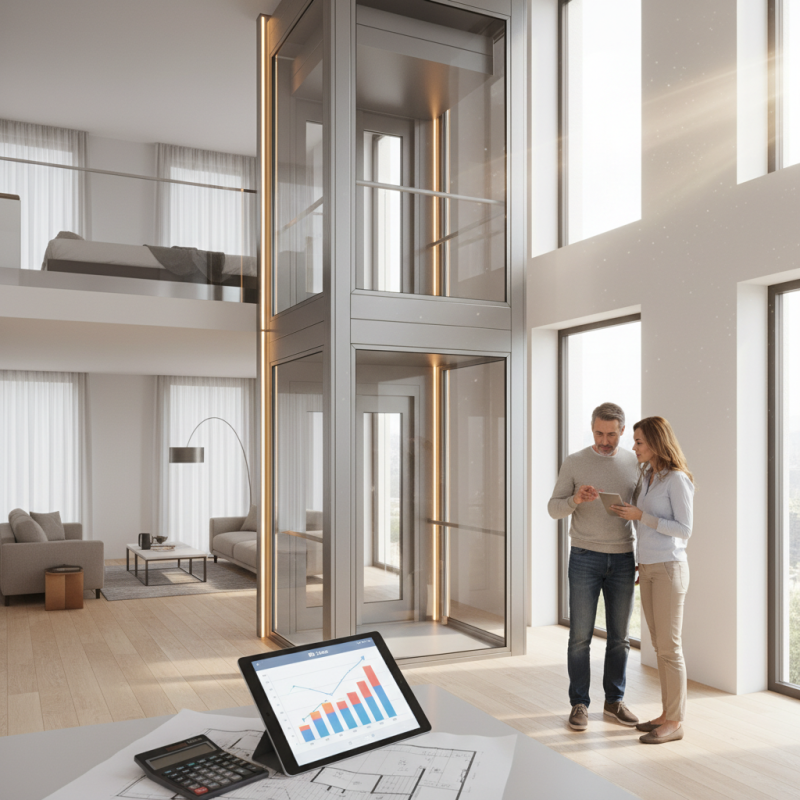
The Average Cost of Residential Lift Installation in 2026
Installing a residential lift can be a significant investment. In 2026, the average cost ranges from $30,000 to $100,000. Factors influencing this cost include the type of lift, installation complexity, and location. Hydraulic lifts tend to be more expensive than cable-driven options. Accessibility features can also raise costs.
When considering a lift installation, think about your home layout. Is there enough space? Will modifications be necessary? It’s wise to consult with a professional before making decisions. They can provide insights into design and functionality, making your investment worthwhile.
Tip: Explore financing options available for home modifications. Some services may offer flexible payment plans. Getting multiple quotes can also help you find a reasonable price. Aim for a balance between quality and cost to ensure long-term satisfaction.
Factors Affecting Residential Lift Installation Costs: A Comprehensive Overview
When considering residential lift installation, several crucial factors influence the overall cost. One significant factor is the type of lift you choose. Hydraulic, traction, or pneumatic lifts vary widely in price due to their technology and installation requirements. Each type has different implications for space, energy use, and maintenance.
The complexity of the installation site also plays a vital role. If your home has limited space or unusual architecture, the installation can be more complicated. Custom solutions may be necessary, driving up costs. Additionally, local building codes affect the installation process. Some regions have stricter regulations, requiring additional engineering work or permits, which can increase expenses.
Labor costs can vary depending on your location and the installer’s expertise. More experienced professionals may charge higher rates for their knowledge. There can be hidden costs as well, such as ongoing maintenance fees, which should be considered in your budget. Careful planning and understanding these factors will help you prepare for the investment in a residential lift.
2026 Best Residential Lift Installation Costs
Types of Residential Lifts and Their Installation Costs Explained
Residential lifts have become an essential feature in modern homes. The range of lift types available offers choices tailored to different needs.
Common types include hydraulic, traction, and pneumatic lifts. Each type varies significantly in installation costs, often reflecting their technology and design.
For instance, hydraulic lifts typically range from $20,000 to $40,000. This cost reflects installation difficulties, especially in existing structures.
On the other hand, traction lifts can range from $25,000 to $50,000. They require more complex setups. Pneumatic lifts are usually less expensive, starting around $15,000, yet they still require careful planning.
Installation costs can vary according to several factors. These include home structure, required permits, and accessibility concerns.
The National Association of Elevator Contractors (NAEC) reports a steady increase in residential lift installations. This trend highlights the growing awareness of mobility solutions.
Challenges remain in this industry. For example, integrating a lift into an older home can lead to unexpected costs. Homeowners must prepare for these financial considerations.
Maintenance Costs and Considerations After Installing a Residential Lift
When considering installation costs for residential lifts in 2026, maintenance becomes a crucial factor. Regular upkeep ensures functionality and safety, which is essential for user confidence. According to industry data, around 80% of lift malfunctions arise from insufficient maintenance. Basic maintenance typically costs between $200 to $500 annually, depending on lift type and usage.
Homeowners should also consider unexpected expenses. Repairs may arise if the lift experiences wear and tear, with costs averaging about $1,000 for major repairs. It's essential to factor in these possibilities when budgeting for a new installation. Regular inspections, ideally twice a year, can help catch issues early. Furthermore, many manufacturers recommend specific maintenance schedules, which if ignored, can void warranties and increase repair costs.
In addition to mechanical maintenance, safety checks are vital. In 2023, nearly 30% of residential lift accidents occurred due to lack of safety inspections. Routine checks can prevent these incidents and foster peace of mind for users. Investing in comprehensive service agreements may minimize unexpected costs and ensure timely interventions. Making informed choices can lead to better outcomes in lift operation and overall homeowner satisfaction.
Comparing DIY vs Professional Installation Costs for Home Lifts in 2026
When considering a home lift installation in 2026, understanding the cost differences between DIY and professional installation is crucial. According to the latest industry reports, average installation costs for residential lifts can range from $10,000 to $30,000. This wide range accounts for varying lift types and installation complexities.
Professional installations typically include labor and necessary permits. In contrast, DIY installation may seem cost-effective initially, but hidden expenses often arise.
DIY installations can cost as little as $5,000 for basic models. However, homeowners may underestimate the time and expertise required. A report by the National Association of Home Builders indicates that about 25% of DIY projects exceed budget due to unexpected complications. Without proper experience, a lift installation could lead to safety issues, potentially costing more in the long run.
Professional installers bring expertise and efficiency. They ensure compliance with local building codes. Reports suggest that 75% of homeowners who choose professionals feel more satisfied with the final result. While DIY can save money upfront, hiring experts often leads to fewer headaches and a safer, more reliable installation. Balancing costs and quality is essential in making an informed decision.
FAQS
: Maintenance typically costs between $200 to $500 annually, depending on the lift type.
Regular inspections should ideally occur twice a year to catch issues early.
Major repairs, often averaging about $1,000, can arise from wear and tear on the lift.
Regular upkeep ensures safety and functionality, preventing malfunctions and accidents.
Nearly 30% of residential lift accidents occur due to a lack of safety checks.
DIY options start around $5,000, but hidden expenses can arise, making them costly.
Installation costs range from $10,000 to $30,000 based on lift type and installation complexities.
Professional installation ensures compliance and satisfaction, reducing long-term issues for homeowners.
Budgeting should include regular maintenance, potential repairs, and installation costs.
Comprehensive service agreements can minimize unexpected costs and ensure timely maintenance.
Conclusion
In 2026, the average cost of installing a residential lift can vary significantly based on several factors, including the type of lift chosen, its complexity, and the specifics of the installation site. Homeowners often wonder, "how much does a residential lift cost to install?" and the answer typically ranges from a few thousand to tens of thousands of dollars, depending on the lift's design and features.
Additionally, understanding the different types of residential lifts is crucial, as each comes with its own installation costs and maintenance considerations. Furthermore, the decision between DIY installation and hiring a professional can greatly influence the overall expense, with professional installations generally ensuring compliance with safety standards, potentially saving costs related to future repairs and maintenance.

 Keg Lift