When it comes to understanding how to charge a battery-powered man lift, insights from industry experts can be invaluable. James Blakely, a seasoned equipment specialist, emphasizes, "Proper charging techniques can extend the life of your lift batteries significantly." This statement underscores the importance of following best practices in battery care.
Charging a battery-powered man lift can seem straightforward. However, improper methods can lead to performance issues. Using the correct charger is essential. It helps avoid overcharging, which may damage the battery. It's not just about plugging it in; each model may have specific requirements. Ensuring compatibility with your lift's battery is crucial.
Additionally, safety cannot be overlooked. Always check the charging area for hazards. A clean, dry space reduces risks significantly. Regular maintenance and checking the battery’s condition are equally important. They can prevent unexpected failures. Understanding how to charge a battery-powered man lift is more than a routine task; it’s a practice that ensures efficiency and safety on the job.
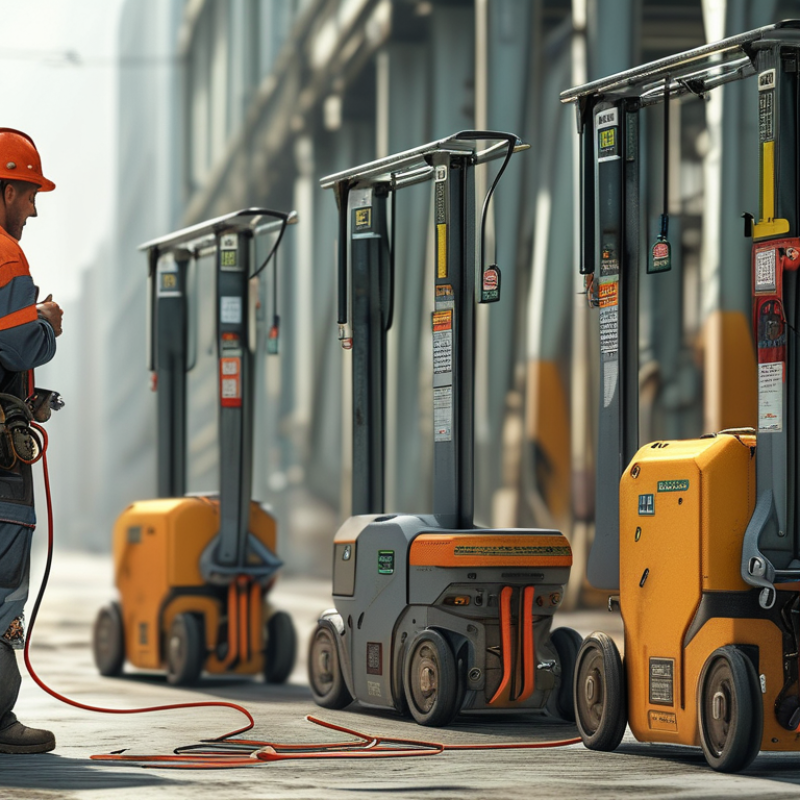
Battery-powered man lifts are essential for various industries, offering versatility and efficiency. Understanding the basics of these machines is crucial for safety and performance. These lifts typically operate using rechargeable batteries, which provide mobility without relying on gas or diesel. According to a report by the International Powered Access Federation, the demand for battery-powered lifts has surged, reflecting a shift toward environmentally friendly solutions.
Proper charging is vital for any battery-powered equipment. A well-maintained battery can enhance operational efficiency. One tip is to charge the lift overnight or during non-working hours. This approach minimizes disruptions and extends battery life. Another recommendation is to monitor the battery's charge cycles. Keeping track of usage helps in managing battery health effectively.
Awareness about battery maintenance is often overlooked. Regularly checking battery connections can prevent performance issues. It’s also important to familiarize yourself with the lift's manual to understand the specific charging requirements. Many users fail to recognize signs of battery fatigue, which can lead to unexpected downtime. A proactive approach to battery care can ensure reliability and safety in operations, ultimately contributing to a more productive work environment.
Choosing the right charger for your battery-powered man lift is crucial. Each model requires specific voltage and amperage settings. An incorrect charger may lead to overheating or battery damage. According to a recent industry report, improper charging can reduce battery lifespan by up to 30%. Thus, understanding your lift’s specifications is essential.
Check the manufacturer’s guidelines. They provide vital information about compatible chargers. Many lifts use lead-acid or lithium-ion batteries. Each type has unique charging requirements. For instance, lithium-ion batteries often require smart chargers that adjust the output based on the battery's state. Inadequate charging can lead to insufficient power for operations and potential safety hazards.
Additionally, consider charger efficiency. A high-efficiency charger can save energy and reduce costs over time. Reports indicate that inefficient chargers waste up to 15% more energy than necessary. This wastage is significant, especially in a fleet with multiple machines. Over time, a proper charger not only preserves the battery but also maximizes overall operational efficiency. Don't underestimate the impact of choosing the right equipment; it can make a substantial difference.
This chart illustrates the charging efficiency of various types of chargers used for battery-powered man lifts. The data shows the percentage of efficiency achieved during charging, highlighting how different charger types perform in terms of energy delivery.
Charging a battery-powered man lift requires careful attention to detail. Understanding the battery type is crucial. Different batteries have specific charging needs. Always refer to the manufacturer's guidelines for voltage and amp specifications. Missteps in charging can lead to reduced battery life. Overcharging or undercharging can be detrimental.
Select a suitable charger for your battery type. Connect the charger properly and watch for indicators. Charging should take place in a well-ventilated area to avoid overheating. Regularly inspect cables and connections for wear. Pay attention to the battery's state during charging. If it gets too hot, disconnect immediately.
While charging, monitor the battery status. Note any unusual sounds or smells. This is where it's important to stay alert. Reflect on your charging routine. Are there habits that can be improved? Proper maintenance leads to better performance and longevity. Always prioritize safety and double-check your process.
When charging a battery-powered man lift, safety is paramount. Improper charging can lead to accidents or equipment damage. Always ensure you are in a well-ventilated area to avoid dangerous gas buildup. Charging should take place away from flammable materials. Having a non-conductive surface can help minimize risks.
Tip: Inspect the charger and battery for any visible damage before use. Damaged equipment can pose serious risks. Ensure all connections are secure and dry. It may seem tedious, but verifying these details can prevent mishaps.
Monitoring the charging process is also essential. Avoid leaving the man lift unattended while charging. This helps you respond quickly if issues arise. Remember to follow the manufacturer's guidelines on charging times.
Tip: Consider using a dedicated charging station. This adds an extra layer of safety for your equipment. It allows for organized storage and reduces the risk of interference from other devices. Keeping a clean, organized space can often be overlooked but is crucial for safety.
Maintaining battery-powered man lifts is crucial for their longevity and performance. Regularly check the battery fluid levels. Low electrolyte levels can damage the battery. Make sure to top them off with distilled water when necessary. A clean battery terminal is also important. Corrosion can lead to poor connections. A simple scrub with a wire brush can extend battery life significantly.
Proper charging practices are vital. Overcharging can cause heat buildup, damaging the battery. Avoid charging overnight if possible. Charge the battery when it reaches about 30%. Use the appropriate charger for the best results. Keeping the battery at a stable temperature helps too. Extreme heat or cold can reduce its lifespan. Store the lift in a climate-controlled area when not in use.
Regular inspection can help identify problems early. Look for any signs of swelling or leakage in the battery casing. Replace any problematic batteries immediately. This proactive approach can save money in the long run. Monitoring battery health is essential for safe operation. Weak batteries can compromise the lift's performance and safety. Aim for a systematic and reflective maintenance routine.
: Check your lift’s specifications. Each model has specific voltage and amperage requirements.
Using the wrong charger can overheat batteries or cause damage. This can shorten battery lifespan significantly.
Manufacturer guidelines provide critical details about compatible chargers. Ignoring them can lead to inefficiency and safety risks.
Man lifts usually use lead-acid or lithium-ion batteries. Each has distinct charging needs.
Choose a high-efficiency charger to save energy. Inefficient chargers waste a substantial amount of energy.
Monitor the battery for heat, unusual sounds, or smells. Stay alert and reflect on your charging habits.
Yes, charge in a well-ventilated area to prevent overheating. Regularly inspect cables for wear to ensure safety.
Heating, strange noises, and unusual smells indicate potential issues. Disconnect if these symptoms arise.
Charging a battery-powered man lift is crucial for ensuring optimal performance and safety on job sites. To effectively understand how to charge a battery-powered man lift, it's essential to start with the basics of these lifts, including their components and functions. Selecting the correct charger that matches your specific man lift model is also vital for efficient charging.
A step-by-step guide outlines the proper charging procedure, ensuring the battery is charged uniformly without damage. Safety precautions should always be observed to prevent accidents during the charging process. Furthermore, maintaining the battery can significantly extend its life; this includes regular checks and adhering to basic maintenance tips. Overall, understanding these aspects will greatly enhance operational efficiency and safety when using battery-powered man lifts.
Keg Lift