Why is My Boom Lift Shaking When Extending?

Time:2026-08-03 Author:Sienna
0%

When operating a boom lift, encountering a shaking sensation while extending can be alarming for users. The question of "why is my boom lift shaking while extending" often arises, particularly among contractors and construction professionals. According to a report from the International Powered Access Federation (IPAF), nearly 40% of boom lift incidents involve structural failure or instability during operation. Recognizing the underlying causes of this issue is essential for safe and efficient usage.

Several factors contribute to the shaking. It could be due to uneven ground conditions or a lack of proper stabilization. The machine's maintenance and the operator's experience level play significant roles as well. Research indicates that regular inspections and adherence to manufacturer guidelines vastly improve equipment reliability and performance. However, many users neglect maintenance checks, leading to increased risk.

Understanding the mechanics of boom lifts can help users identify potential problems. Hydraulic systems can sometimes malfunction, leading to performance issues. This shaking may not only indicate a mechanical issue but may also reflect on operator technique. Reflecting on these aspects helps enhance safety and operational efficiency in the field.
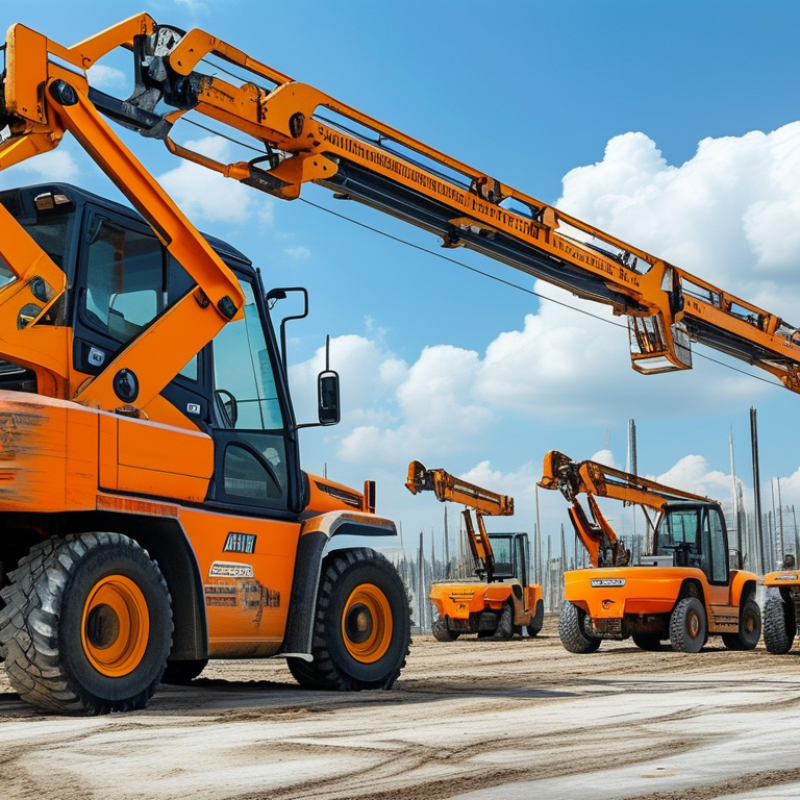
Why is My Boom Lift Shaking When Extending?

Causes of Boom Lift Shaking During Extension

Boom lifts are essential tools for reaching high places. However, experiencing shaking during extension can be alarming. Several factors contribute to this issue.

Improper weight distribution is one common cause. When the load is not balanced, it creates instability. Operators should always ensure that the weight is evenly distributed. Check the capacity limits before extending. Another factor could be hydraulic system problems. If the hydraulic fluid is low or contaminated, it can affect performance. Regular maintenance is critical to keep the system functioning smoothly.

Mechanical wear is another possibility. Over time, parts may become loose or damaged. Inspect joints and connections for any signs of wear. Replace worn-out components promptly to avoid further issues. Operators might feel uncertain about how to proceed with these problems. Trust your instincts and consult a professional if unsure. Addressing these concerns early can prevent more severe issues down the line. Taking the time to understand these causes can enhance safety and extend the lift’s life.

Common Mechanical Issues Leading to Shaking

Boom lifts are vital for high-reaching tasks, but shaking during extension can be a worrying sign. Understanding common mechanical issues can help you identify the root cause. One frequent issue is the hydraulic system. When hydraulic fluid levels are low, it can lead to erratic movements. According to industry reports, over 30% of lift malfunctions stem from hydraulic failures. Regular maintenance checks are essential for fluid integrity.

Another cause for shaking can be worn-out pivot points. As wear increases, stability decreases. Studies show that nearly 25% of boom lift accidents can be traced to overlooked mechanical wear. Inspecting these components ensures that they remain secure and functional. Pay attention to unusual noises, as they can signal deeper mechanical problems.

Finally, a poorly balanced load can contribute to instability. Operators should always adhere to load limits indicated by safety standards. An overload increases the strain on the boom, leading to shaking. In fact, approximately 40% of lift-related incidents occur due to improper loading. Regular training and checks on operating procedures enhance overall safety and performance.

Why is My Boom Lift Shaking When Extending? - Common Mechanical Issues Leading to Shaking

Issue Description Potential Causes Solutions
Hydraulic Issues Inconsistent lifting motion leading to shaking. Low hydraulic fluid, air in the hydraulic system. Check and refill hydraulic fluid, bleed the system.
Worn Bearings Excessive vibration during operation. Age, lack of lubrication. Inspect and replace bearings as necessary.
Structural Issues Shaking when extending the lift. Damage to the chassis or boom. Conduct a thorough inspection; repair or replace damaged parts.
Tire Problems Unstable movement at the base. Uneven tire pressure, tire wear. Inspect tire pressure, replace worn tires.
Control System Malfunction Erratic lift behavior. Faulty control module or wiring. Test and repair electrical components as needed.

Impact of Weather Conditions on Boom Lift Stability

Weather conditions can significantly affect the stability of boom lifts. High winds are often a primary concern. A boom lift extended in windy conditions can sway, leading to instability. This shaking can create safety hazards. Operators should always check weather forecasts before using the equipment.


Rain or snow can also impact grip and control. Wet surfaces can lead to slipping. Snow buildup can create additional weight, which could cause tipping. Operators must be vigilant in these conditions. Proper site assessment is essential. Always consider the terrain, moisture levels, and visibility.

Even slight temperature changes can influence performance. Cold weather could lead to hydraulic fluid thickening. This might cause erratic movements. Regular maintenance and checks are crucial. A proactive approach helps ensure a safer working environment. It's vital to adapt to changing conditions and adjust usage accordingly.

Safety Precautions When Operating a Shaking Boom Lift

When operating a boom lift that shakes during extension, safety should be your top priority. Ensure you conduct a thorough inspection before use. Check for any loose parts or fluid leaks. These small details can become significant hazards when working at heights. Familiarizing yourself with the machine's specifications is vital, as different lifts have unique characteristics.

Proper training is essential. All operators must understand how to control the lift effectively. They should know how to recognize signs of instability. During operation, keep your center of gravity balanced. Avoid overloading the platform, as this can lead to shaking. Maintaining a calm demeanor is crucial if the lift begins to shake. Abrupt movements can exacerbate the problem.

Communicating with your team can prevent accidents. Use hand signals to convey messages, especially in noisy environments. Regularly practice emergency procedures as well. If the shaking does not subside, it may indicate a mechanical issue. Trust your instincts; if something feels off, it probably is. Taking a moment to reassess the situation can save lives. Stay vigilant and always prioritize safety when operating a boom lift.

Recommended Maintenance to Prevent Shaking Issues

Boom lifts are essential for various construction and maintenance tasks. However, witnessing your boom lift shake during extension can be unsettling. Shaking often stems from improper maintenance or wear and tear. According to industry data, over 40% of boom lift malfunctions arise from insufficient upkeep. Regular inspections and maintenance play a crucial role in preventing such issues.

To address shaking, prioritize routine maintenance. Check hydraulic fluid levels frequently, as low fluid can lead to erratic movements. Experts recommend changing hydraulic fluid every 1,000 hours of operation. Additionally, inspect hoses and fittings for signs of wear. A compromised hydraulic system can significantly impact performance and safety. It's essential to maintain a detailed log of all service activities to ensure nothing is overlooked.

Moreover, consider performing regular calibration of the boom lift’s controls. Even small discrepancies in calibration can lead to unexpected movements. A study by ANSI highlighted that fine-tuning control systems can reduce operational erraticism by up to 30%. Regular maintenance not only enhances safety but can prolong the life of the lift, making it a sound investment for operations.

Frequency of Boom Lift Shaking Issues by Cause

FAQS

: What should I check before using a boom lift?

: Conduct a thorough inspection for loose parts and fluid leaks.

Why is proper training important for boom lift operators?

Operators must control the lift effectively and recognize signs of instability.

How can overloading a boom lift affect its stability?

Overloading can lead to shaking and loss of balance on the platform.

What should I do if the boom lift starts to shake?

Maintain a calm demeanor and avoid abrupt movements to prevent worsening the situation.

How can effective communication enhance safety while operating a boom lift?

Use hand signals to convey messages, keeping the team informed in noisy environments.

How often should I check hydraulic fluid levels?

Regular checks are essential, and it’s recommended to change fluid every 1,000 operating hours.

What maintenance practices can prevent shaking issues?

Regular inspections, hose checks, and a detailed service log are crucial for upkeep.

Why is calibration important for boom lifts?

Regular calibration can reduce unexpected movements and enhance overall stability.

What impact does poor maintenance have on boom lifts?

Insufficient upkeep can lead to malfunctions and safety hazards during operation.

How can I tell if there is a mechanical issue with the boom lift?

If shaking persists, trust your instincts, as it may indicate a serious issue needing assessment.

Conclusion

When dealing with the question of "why is my boom lift shaking while extending," it's essential to understand several underlying factors. Common mechanical issues such as loose fittings, hydraulic fluid problems, and worn-out components can significantly impact the stability of a boom lift during extension. Moreover, weather conditions like high winds or wet surfaces may also contribute to shaking, compromising safety and performance.

To ensure safe operation, it is crucial to follow specific safety precautions when using a shaking boom lift, including minimizing load and avoiding extreme weather conditions. Regular maintenance, such as inspecting hydraulic systems and ensuring all parts are in good condition, can prevent many issues related to shaking. By addressing these areas, operators can enhance the stability of boom lifts, ensuring safer and more efficient usage.

Sienna

Sienna

Sienna is a skilled marketing professional with a deep expertise in our company’s core products and services. With a passion for innovation and detail, she plays a pivotal role in crafting insightful blog posts that not only highlight the unique features of our offerings but also provide valuable......