Choosing China’s best boom lift safety gear begins with a practical question: what safety gear is needed for boom lift operators? The answer depends on the machine, work height, site hazards, weather, and local safety procedures. A harness with a short, suitable lanyard helps reduce ejection risks when the platform moves suddenly. A helmet with a secured chin strap protects against falling objects and head movement. Safety boots should provide toe protection and firm grip on wet platforms. High-visibility clothing improves recognition around vehicles and lifting equipment. Useful additions include task-appropriate gloves, eye protection, hearing protection, and weather-resistant clothing.
Small details matter. Check the harness stitching. Examine the lanyard for cuts. Keep the platform floor clear of oil, tools, and loose cables. Before every shift, operators should inspect anchor points, gates, controls, alarms, tires, and emergency systems. IPAF safety specialist Brian Parker emphasizes, “The right equipment cannot replace competent planning and operator training.” That point is easy to overlook.
PPE is not a magic shield. A helmet cannot prevent poor positioning. A harness cannot correct an unsafe anchor point. Operators also need documented training, site-specific risk assessment, rescue planning, and clear communication with ground workers. In China, equipment buyers should verify product quality, compatibility, inspection records, and applicable national or industry requirements. Yet even a perfect checklist can be rushed. That is where supervisors must pause the job and ask uncomfortable questions. Is the gear fitted correctly? Is the operator tired? Has the weather changed? The safest boom lift program treats protective equipment as one layer within a wider, continuously reviewed system.
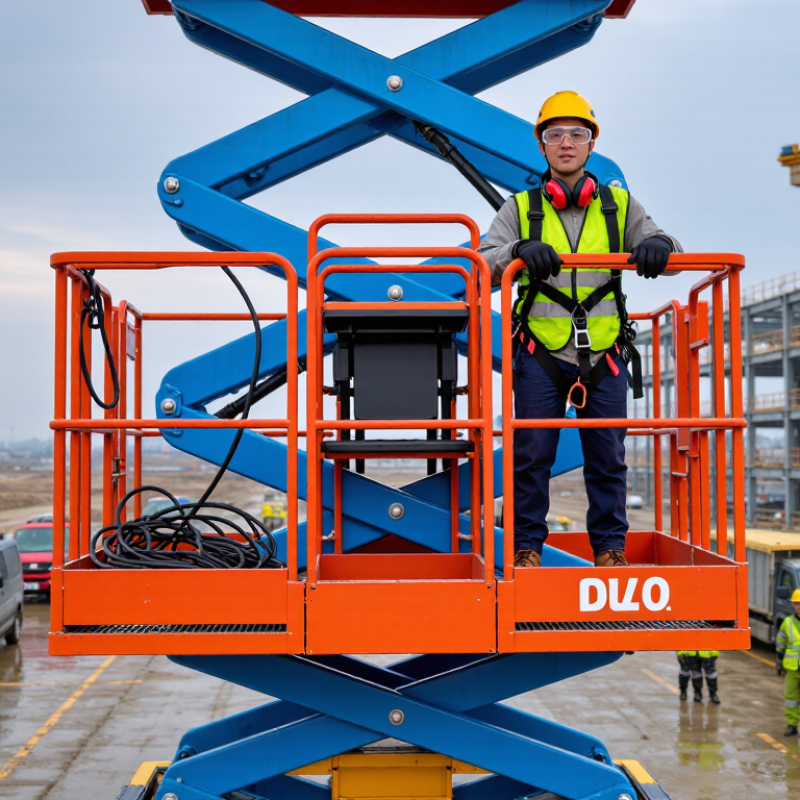
A boom lift operator faces changing heights, moving platforms, wind, and nearby structures. Proper safety gear reduces exposure to these hazards. A full-body harness should connect to the platform’s approved anchor point. The lanyard must stay short enough to limit movement during sudden stops. A loose connection creates false confidence.
A certified helmet protects against falling tools and overhead contact. Choose one with a secure chin strap, especially during platform movement. Slip-resistant safety boots help maintain footing on a wet or dusty floor. Cut-resistant gloves improve grip around controls and rails. Eye protection is useful when drilling, cutting, or working near airborne particles. Add hearing protection in consistently noisy areas.
Before each shift, inspect the harness webbing, buckles, helmet shell, and lanyard for damage. Check the platform gate and anchor point too. Remove damaged gear from service immediately. Do not rely on appearance alone. Small cuts can hide serious weakness. Weather also changes equipment needs. Strong wind, rain, or poor visibility may require postponing work under site procedures.
I have seen operators wear complete gear but leave the lanyard twisted. That small mistake deserves attention. Gear cannot replace training, equipment inspections, or careful positioning. Operators should understand the lift manual and follow site-specific procedures. A short pre-use check may feel repetitive. It can prevent a serious oversight.
Choosing PPE for a boom lift starts with the task, not the equipment catalogue. Operators need a full-body harness connected to the manufacturer-designated anchor point. A short, compatible lanyard can reduce ejection risk during sudden movement. A helmet with a secure chin strap protects against falling objects and unexpected jolts. Add safety glasses, high-visibility clothing, grip gloves, and slip-resistant footwear when site conditions require them.
The U.S. Occupational Safety and Health Administration reported 395 construction deaths from falls in 2022, representing about 37% of all construction fatalities. This figure shows why fall protection selection deserves careful attention. PPE must fit the operator’s body and allow controlled movement inside the platform. Check harness webbing, stitching, hooks, and lanyard energy absorbers before every shift. Damaged equipment should be removed from service immediately. It sounds simple. In practice, rushed inspections still happen.
Tips: Match the lanyard length to the platform and work height. Confirm the anchor point before climbing. Keep the gate closed while operating. Test helmet stability by turning your head sharply. Replace loose gloves that could catch on controls. Consider weather, dust, visibility, and rescue access during the assessment. PPE cannot correct poor positioning or unsafe driving. That limitation is easy to overlook. Supervisors should document training, inspection results, and equipment replacement dates, using current guidance from OSHA and applicable regional standards.
China Best Boom Lift Safety Gear: What Do Operators Need?
Fall protection begins with a correctly fitted full-body harness, not a simple belt. OSHA requires boom-lift occupants to use personal fall protection. The connection must attach to the platform’s approved anchor point. A short restraint lanyard can prevent an operator from climbing over the guardrail. Where a fall is possible, an energy-absorbing lanyard may be necessary. Local rules and the equipment manual still control the final choice.
IPAF’s 2024 Global Safety Report recorded 118 reported MEWP-related fatalities during 2023. Falls from platforms remained a major incident category. The number is serious, but reporting coverage differs between countries. It should not be treated as a complete global total. Operators should inspect webbing, stitching, hooks, labels, and shock absorbers before every shift. Cuts, chemical damage, heat marks, or a deployed absorber mean removal from service. Small defects matter.
On a real site, a loose harness can slide beneath the ribs during a sudden stop. The dorsal attachment should sit between the shoulder blades. Keep the lanyard short, and stay inside the platform rails. Never clip to a nearby pipe, building edge, or another machine. A rescue plan must identify who lowers the platform and how quickly. Suspension can become dangerous. Practice helps, although practice does not replace supervision, training, or a careful pre-use inspection.
| Safety Gear or System | Primary Purpose | Recommended Specification or Requirement | Correct Use on a Boom Lift | Inspection and Replacement Guidance | Risk Reduced |
|---|---|---|---|---|---|
| Platform Guardrails and Entry Gate | Provide the first level of collective fall protection and help keep the operator inside the platform. | Use the complete guardrail system, midrail, toe board where required, and self-closing entry gate supplied for the specific lift. | Keep the gate closed and latched while elevated. Do not climb, sit, stand, or place ladders on guardrails. | Inspect before each shift Check for missing, bent, loose, or damaged components. Remove the lift from service if the system is defective. |
Falls from the platform and objects or body parts passing through open areas. |
| Full-Body Harness | Distribute arrest forces across the shoulders, chest, pelvis, and thighs during a fall. | Use a properly sized full-body harness compatible with the applicable local regulations and the lift manufacturer’s instructions. | Connect the lanyard or self-retracting lifeline only to the designated attachment point. Adjust all straps snugly without restricting movement. | Inspect before each use Look for cuts, burns, fraying, chemical damage, distorted hardware, damaged stitching, or an unreadable label. Remove after a fall or suspected impact. |
Serious injury caused by improper body support during a fall. |
| Energy-Absorbing Lanyard | Limits the arresting force transmitted to the operator and anchorage during a fall. | Use a lanyard designed for personal fall arrest and suitable for the boom lift’s approved anchor point and available clearance. | Maintain the shortest practical connection while allowing safe movement. Keep the lanyard away from sharp edges, hot surfaces, and moving components. | Inspect before each use Check webbing, shock pack, connectors, labels, and stitching. Do not knot, tie back, or modify the lanyard unless specifically designed for that method. |
High arrest forces, swing falls, and contact with nearby structures. |
| Self-Retracting Lifeline | Provides controlled movement and generally reduces slack compared with a traditional lanyard. | Select a model approved for the intended use, connection point, and required horizontal or vertical arrangement. | Keep the lifeline aligned as instructed and prevent it from running over edges unless it is specifically rated for leading-edge use. Do not use it as a material lifting device. | Inspect before each use Check housing, lifeline, connector, energy absorber, and locking function. Follow the manufacturer’s periodic examination and service interval. |
Excessive free fall, swing fall, and delayed fall arrest. |
| Approved Platform Anchorage Point | Provides a designated connection location capable of supporting the intended fall-protection load. | Use only the anchor point identified by the boom lift manufacturer. Never connect to guardrails, control consoles, hydraulic lines, or non-approved structural parts. | Confirm that the anchor is secure and unobstructed before connecting. One worker should use an anchor only as permitted by the equipment instructions. | Inspect before each shift Check for deformation, corrosion, loose fasteners, missing identification, or unauthorized alterations. |
Anchor failure and ineffective fall arrest. |
| Double-Leg Lanyard for Transfer | Maintains continuous attachment when moving between approved anchor points or designated access areas. | Use only when the equipment manufacturer and site procedure permit the transfer method and when both connectors are suitable for the anchors. | Connect the second leg before disconnecting the first. Avoid wrapping connectors around guardrails unless the equipment is specifically designed and rated for that connection. | Inspect before each use Check both legs, connectors, energy absorber, and stitching. Replace after any arrest event or visible damage. |
Unprotected transitions and accidental detachment. |
| Safety Helmet with Chin Strap | Protects the head from falling objects, contact with structures, and loss of head protection during sudden movement. | Use head protection appropriate to the work environment and fitted with a secure chin strap where required by the risk assessment. | Wear it correctly with the suspension adjusted. Keep the chin strap secured when wind, travel, or work positioning could dislodge the helmet. | Inspect before each use Replace after a significant impact or when the shell, suspension, or retention system is cracked, damaged, or excessively worn. |
Head injury from falling objects, impact, and unexpected platform movement. |
| Slip-Resistant Safety Footwear | Improves footing and reduces slips while entering, operating, or exiting the platform. | Use safety footwear with suitable traction, secure fastening, and protection appropriate to the workplace hazards. | Keep soles free of mud, oil, ice, and debris. Maintain three points of contact when entering or leaving the platform. | Check daily Replace footwear when the sole is worn smooth, damaged, separated, or contaminated beyond effective cleaning. |
Slips, trips, and loss of balance near platform edges. |
| Tool Tethers and Small-Item Restraints | Reduce the chance of tools and loose equipment falling from the platform. | Use tethers and containers rated for the specific tools and working conditions. Keep items within the platform’s load limit. | Attach tools to approved tether points or secure them in closed containers. Do not tether tools to controls, guardrails, or the operator’s fall-arrest connection. | Inspect before use Check cords, connectors, pouches, and attachment points for cuts, wear, or failed stitching. |
Struck-by injuries and dropped-object hazards below the platform. |
| Ground-Level Exclusion Zone | Keeps people away from the area beneath and around the elevated platform. | Set barriers, warning signs, or a controlled access area according to the site risk assessment and local requirements. | Restrict access below overhead work. Use a spotter where visibility is limited, traffic is present, or the lift operates near structures. | Verify continuously Move barriers when the work area or boom position changes. Remove unauthorized personnel from the drop zone. |
Injury from falling tools, materials, or contact with the moving lift. |
| Pre-Use Fall-Protection Check | Confirms that the complete fall-protection system is ready before elevation. | Follow the lift manufacturer’s operating manual, site rescue plan, and applicable occupational safety requirements. | Verify harness fit, connector compatibility, anchor condition, gate operation, platform integrity, emergency controls, and available rescue arrangements. | Before every shift and after changes Record defects and quarantine damaged equipment. Do not operate until critical defects are corrected. |
Equipment failure, incompatible connections, and delayed emergency response. |
China Best Boom Lift Safety Gear: What Do Operators Need?
Safe boom lift operation starts with reliable access equipment. Operators should use a helmet with a secure chin strap, suitable gloves, and slip-resistant safety footwear. A full-body harness with an approved restraint lanyard helps reduce ejection risks when the platform moves suddenly. The lanyard must connect only to the designated anchor point. Loose clothing can catch on controls or nearby structures, so fitted workwear is a practical choice. Three-point contact matters when entering or leaving the platform.
Stability depends on more than the machine’s size. Check the platform load, ground condition, slope, and weather before lifting. A level indicator, wheel chocks, and stabilizers can support safer positioning when the equipment design allows them. Never rely on appearance alone. Soft ground may look firm at the surface. Keep tools secured, and distribute materials evenly inside the platform. An overloaded tool bag can change the balance. That detail is easy to miss.
Visibility gear protects operators and people nearby. High-visibility clothing helps workers stand out around vehicles and changing site traffic. Safety glasses protect against dust, falling particles, and overhead materials. In low light, platform work lights and clean reflective strips improve recognition. Radios or agreed hand signals can reduce confusion, but communication still needs confirmation. Gear does not replace judgment. Even a correctly worn harness cannot correct careless positioning. A rushed inspection may miss damaged stitching, cracked helmet shells, or dirty lenses. Operators should pause, report defects, and follow the equipment manual and site procedures before work begins.
China-made boom lifts can meet demanding international expectations when design control, testing, and documentation work together. OSHA reported 87 aerial-lift fatalities and 1,090 injuries from 2003 to 2012. The figures show why compliance cannot remain a paperwork exercise.
A reliable machine needs traceable steel, controlled welding, and tested hydraulic systems. Operators should inspect boom pins, platform gates, emergency lowering, and load charts before each shift. Wind limits must be clear beside the controls. Small labels matter. ISO 16368 and EN 280 offer useful reference points for platform stability, guarding, and emergency functions. Local requirements still apply, so certificates alone are not enough.
IPAF’s 2024 Global Safety Report recorded 118 powered-access fatalities during 2023 across reported countries. This data should influence purchasing decisions. Ask for factory test records, serial-number traceability, overload testing, and maintenance instructions in understandable language. Check whether the manual matches the delivered configuration. It sometimes does not. That gap deserves attention.
Quality also appears in ordinary details. A sealed electrical cabinet should resist dust and moisture. Battery cables need protection from crushing and heat. Controls should respond smoothly, not suddenly. Independent inspection can reveal weaknesses that factory photographs miss. Operators need practical training, not only a signed attendance sheet. A compliant China-made boom lift is not defined by origin alone. It is defined by repeatable manufacturing, verified performance, and honest after-sales support.
Wear a full-body harness, certified helmet, safety boots, gloves, and eye protection. Hearing protection helps in noisy areas.
Attach the lanyard to the platform’s approved anchor point. Keep it short enough to limit sudden movement. Never accept a twisted connection.
A helmet helps protect against falling tools and overhead contact. A chin strap keeps it secure during platform movement.
Check harness webbing, buckles, lanyards, helmet shells, gates, and anchor points. Look closely. Small cuts can hide serious weakness.
No. Gear reduces exposure but cannot replace training or careful positioning. A checklist can still be rushed. That deserves reflection.
Strong wind, rain, or poor visibility may require postponing work. Follow site procedures and the machine’s stated limits. Wind changes everything.
Look for controlled welding, traceable steel, tested hydraulics, and protected electrical systems. Controls should respond smoothly, not suddenly.
Request factory test records, serial-number traceability, overload test results, and clear maintenance instructions. Confirm that the manual matches the delivered machine. That gap matters.
Choosing the right boom lift safety gear is essential for protecting operators from falls, impacts, unstable work conditions, and poor visibility. This guide explains what safety gear is needed for boom lift operators, including helmets, high-visibility clothing, protective footwear, gloves, eye protection, and hearing protection when required. Operators should select equipment that fits correctly, allows comfortable movement, and matches the work environment, weather, and operating risks.
Fall protection is especially important when working from an elevated platform. A properly fitted full-body harness, suitable lanyard, and approved attachment point can help reduce fall hazards when used according to equipment instructions. Additional safety gear, such as access grips, stable footwear, warning accessories, and visibility aids, supports safer movement and better awareness around the lift. For China-made boom lift equipment and accessories, buyers should evaluate material quality, testing documentation, manufacturing consistency, user instructions, and compliance with applicable safety requirements before purchase.

Keg Lift