What are the essential safety requirements for aerial work platforms?

Time:2026-05-05 Author:Ethan
0%

When considering aerial work platforms, it’s vital to address the question: what are the safety requirements for aerial work platforms? These machines are crucial in various industries, providing access to heights safely. According to the U.S. Bureau of Labor Statistics, falls from heights accounted for 701 fatalities in 2020, underscoring the importance of stringent safety measures.

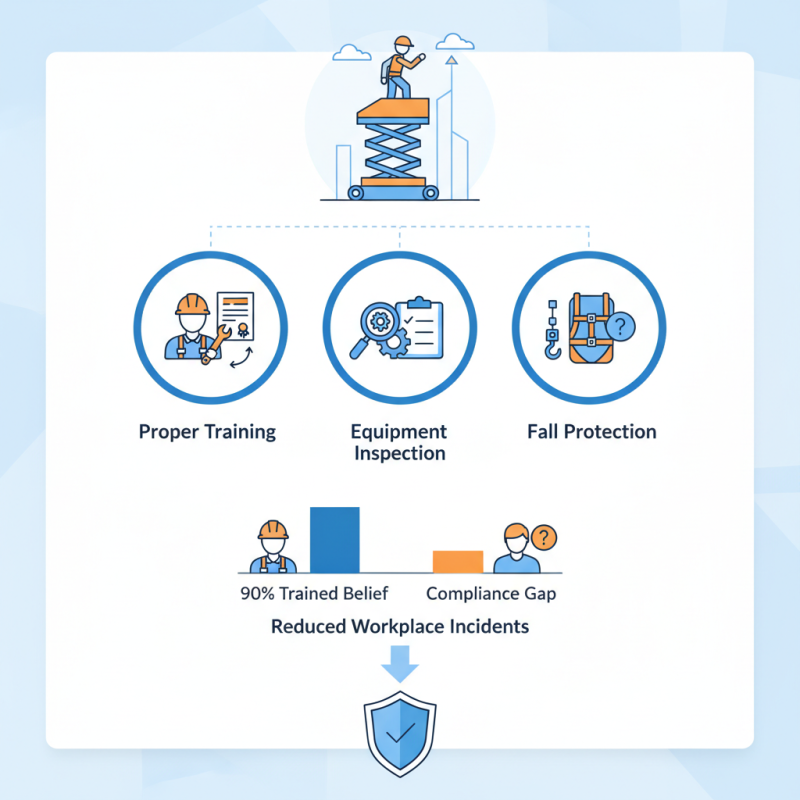
Industry reports highlight essential requirements like proper training, equipment inspection, and fall protection. Regular inspections can reduce accidents significantly. For instance, the American National Standards Institute (ANSI) recommends that these platforms undergo thorough checks before each use. Moreover, operators must be trained not just in operation but also in emergency protocols.

The lack of compliance with these standards can lead to tragic outcomes. A survey by the International Powered Access Federation (IPAF) indicates that 90% of operators believe training is crucial, yet many workplaces still overlook it. This gap in training and awareness reveals an ongoing challenge. Addressing this issue with a structured approach can enhance safety and reduce workplace incidents significantly.
What are the essential safety requirements for aerial work platforms?

Essential Features of Aerial Work Platforms for Safety Compliance

Aerial work platforms (AWPs) are vital for construction, maintenance, and other tasks at height. Safety compliance is paramount. Essential features include guardrails, non-slip surfaces, and emergency lowering systems. These elements protect workers from falls and ensure that platforms remain stable.

Regular inspections of AWPs are crucial. Operators should check for wear and tear. Look for any rusty parts or malfunctioning controls. Address these issues immediately to avoid accidents. It's not just about having safety features; they must work flawlessly.

Tips for safe operation: Always use personal protective equipment (PPE). Harnesses are essential, even with guardrails in place. Ensure training for all operators is up-to-date. Knowledge of the equipment can prevent mishaps. Every operator should feel confident before starting work. Maintaining safety should be a collective responsibility.

Key Safety Standards and Regulations for Aerial Work Platforms

Aerial work platforms (AWPs) are vital for safety in various industries, such as construction and maintenance. Adhering to safety regulations is essential to ensure operator safety and prevent accidents. According to the Occupational Safety and Health Administration (OSHA), falls are among the leading causes of workplace injuries. AWPs can help mitigate such risks if used within the established guidelines.

Key safety standards governing AWPs include those from the American National Standards Institute (ANSI) and the European Committee for Standardization (CEN). ANSI/SAIA A92 outlines specifications for safe operation, inspection, and training for operators. Compliance with these standards reduces accidents significantly. In fact, data from the International Powered Access Federation (IPAF) indicates that proper training and adherence to safety protocols can decrease incident rates by up to 30%.

Operators should exhibit diligence in maintaining equipment and conducting pre-use inspections. However, not all operators consistently perform these checks. Reports reveal that improperly maintained AWPs lead to accidents. Regular training sessions can address these gaps, but the responsibility ultimately falls on the operators to remain vigilant. Continued observation and improvement of safety practices are crucial in creating a safer work environment.

Common Hazards Associated with Aerial Work Platforms

Aerial work platforms (AWPs) are essential for various construction and maintenance tasks. However, the use of these machines comes with significant risks. Common hazards arise from improper operation, inadequate training, and environmental factors. Operators must be aware of overhead obstructions that can cause collisions. Falling objects are another serious threat, particularly on busy job sites.

One key issue is the lack of proper safety protocols. Many workers underestimate the importance of wearing personal protective equipment (PPE). Harnesses and helmets are not just recommended; they can save lives. Additionally, unstable ground conditions can lead to tipping. Proper inspection of the work area is crucial to ensure stability and safety.

Training is often overlooked, which can lead to dangerous situations. Not all operators receive hands-on instruction. This gap in training can result in accidents that could have been easily preventable. Reflecting on experiences, it’s evident that continuous education and updates on safety standards are necessary. Often, individuals feel comfortable and let their guard down. This complacency can lead to overlooking essential safety checks.

Best Practices for Operating Aerial Work Platforms Safely

Operating aerial work platforms (AWPs) requires adherence to established safety standards. These platforms can be dangerous if used improperly. According to the Occupational Safety and Health Administration (OSHA), most accidents involve falls, tip-overs, and electrocutions. Knowing and applying best practices can mitigate risks significantly.

When using AWPs, always conduct a pre-operational inspection. Check the mechanical components, such as hydraulic systems and safety devices. Inadequate maintenance may lead to equipment failure, resulting in serious accidents. Training is also critical. According to the National Institute for Occupational Safety and Health (NIOSH), trained operators are 30% less likely to have accidents than untrained staff.

Tips for safe operation include:
- Ensure the platform is on stable ground.
- Use appropriate personal protective equipment (PPE).
- Maintain a clear communication channel between operators and ground staff.

Unexpected situations can arise. Operators should be prepared to adapt quickly to changes, like high winds or nearby electrical lines. Reviewing past incidents can help in recognizing potential hazards. Regularly updating training programs ensures that safety knowledge remains current. Awareness and vigilance can save lives.

Essential Safety Requirements for Aerial Work Platforms

Maintenance and Inspection Requirements for Aerial Work Platforms

Maintenance is crucial for aerial work platforms (AWPs). Regular inspections ensure safety and operational efficiency. According to the American National Standards Institute (ANSI), inspections must occur before each use. Many operators overlook this step. Neglecting it can lead to dangerous malfunctions.

AWPs should also undergo a thorough inspection annually. The Occupational Safety and Health Administration (OSHA) emphasizes that trained personnel must perform these checks. Key components to examine include hydraulic systems, electrical circuits, and safety devices. Missing even one crucial element can compromise the equipment's integrity.

Beyond mechanical checks, operators need training. Understanding how to use and inspect AWPs can significantly reduce risks. A study indicated that 80% of accidents result from inadequate training. It’s vital to foster a culture where safety and maintenance are priorities. Regular feedback loops can enhance performance. Reflecting on past incidents leads to continuous improvement in safety practices.

FAQS

: Why are aerial work platforms (

WPs) important for safety?

What features enhance safety on AWPs?

Essential features include guardrails, non-slip surfaces, and emergency lowering systems. They protect workers during use.

How often should AWPs be inspected?

Inspections are needed before each use and annually. Regular checks help identify wear and tear or malfunctions.

What training is required for AWP operators?

Operators must undergo thorough training on equipment use, safety protocols, and inspection processes. Knowledge is crucial.

What are the consequences of neglecting AWP maintenance?

Failing to maintain AWPs can lead to serious accidents. Regular upkeep is vital for safe and efficient operation.

How can compliance with safety standards affect incident rates?

Following safety standards like ANSI and OSHA can decrease accidents by up to 30%. Adherence is essential.

What role does personal protective equipment (PPE) play?

Wearing PPE, such as harnesses, is crucial. Even with guardrails, additional protection is necessary to ensure safety.

Why is operator vigilance important?

Operators must consistently perform pre-use checks. Lack of diligence can lead to equipment failures and accidents.

What common oversight do operators make?

Many operators overlook necessary inspections. These lapses can significantly increase risks during operation.

How can a safety culture be promoted?

Regular training, feedback, and reflections on past incidents foster a culture of safety and encourage continuous improvement.

Conclusion

Aerial work platforms (AWPs) play a crucial role in providing safe access to elevated areas, but understanding what are the safety requirements for aerial work platforms is essential for ensuring both worker safety and compliance with standards. Key safety features include guardrails, stable bases, and emergency descent systems, which collectively enhance operational safety. Additionally, adherence to safety standards such as those set by OSHA and ANSI ensures that AWPs meet rigorous regulations designed to mitigate risks.

Common hazards associated with AWPs include falls, tip-overs, and electrical hazards, making it vital for operators to follow best practices like conducting thorough pre-use inspections, ensuring proper training, and maintaining clear communication among crew members. Regular maintenance and inspection of AWPs are necessary to identify and rectify any safety issues, thus preventing accidents and protecting workers during aerial operations.

Ethan

Ethan

Ethan is a seasoned marketing professional with a deep expertise in our company's innovative product line. With a passion for sharing knowledge and insights, he takes the lead in regularly updating our corporate blog, where he explores industry trends, product features, and effective marketing......