2026 Top Lift Types Why Is My Lift Leveling Wrong at Floors?

Time:2026-11-08 Author:Oliver
0%

A lift that stops above or below the landing is more than an annoyance. A few centimeters can catch a shoe, tilt a trolley, or make a wheelchair transfer unsafe. If you are asking, “why is my lift leveling incorrectly at floors,” the answer may involve a worn sensor, brake drift, inaccurate floor data, or changing load conditions. The visible gap is a clue, not a diagnosis.

The U.S. Access Board’s ADA Standards require elevator leveling to keep the car within ½ inch of the landing, even under rated loading. That gives building teams a measurable reference, not a substitute for local inspection requirements. NIOSH’s report on elevator-related injuries and fatalities among installers and repairers documented 68 worker deaths from 1992 through 2003. The report does not say that poor leveling caused those deaths; it does show why elevator maintenance deserves careful attention. Elevator safety consultant John Koshak has emphasized the importance of treating abnormal operation as a maintenance concern. In paraphrase: unusual movement or stopping should be checked by qualified technicians, not dismissed as normal. A useful detail to record is the affected floor, direction of travel, approximate load, and whether the error repeats. Still, one clue can mislead. Keep people away from a persistent trip hazard and arrange a professional assessment. Small shifts matter.
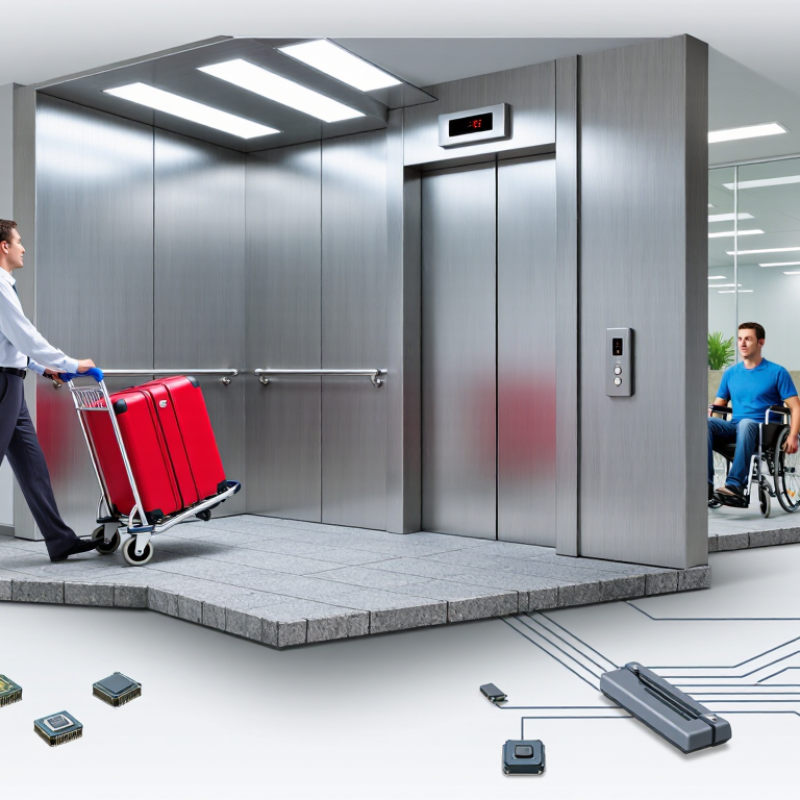
2026 Top Lift Types Why Is My Lift Leveling Wrong at Floors?

Lift Types Used in 2026 and How Their Leveling Systems Differ

In 2026, “lift type” matters because leveling depends on how the car is driven and measured. Hydraulic lifts use fluid pressure and valves; oil temperature, leakage, or valve wear can change stopping height. Traction lifts use ropes and a counterweight, with drive controls and position sensors managing the stop. A machine-room-less lift is a layout, not a separate drive type; it can still use traction technology. Small drift matters.

The E4 project’s report on energy-efficient lifts estimates that elevators use roughly 3–5% of a building’s electricity. That figure describes energy use, not leveling accuracy, but it highlights why control settings and maintenance matter. A few millimeters can become a noticeable step at the threshold. On a hydraulic lift, check for oil or valve changes; on a traction lift, inspect brake condition, encoder feedback, and position references. A loaded car may also stop differently from an empty one. ISO 8100-1 sets safety requirements for lift design, but a leveling fault still needs diagnosis on site. The tempting assumption is that every uneven stop means a worn brake. It may not. Record the floor, direction, load, and size of the offset before adjusting controls.

How a Lift Aligns Its Car with Each Floor

2026 Top Lift Types: Why Is My Lift Leveling Wrong at Floors?

How a Lift Aligns Its Car with Each Floor

A lift does not simply stop when its car appears level with a floor. Its control system tracks the car’s position using sensors or a measuring device along the shaft. As the car approaches a landing, the system slows it, then makes a fine adjustment within a leveling zone. The goal is to bring the car floor close to the landing sill. Small shifts matter.

Passenger load can affect where the car settles. A full car may respond differently from an empty one, depending on the lift’s design and condition. A noticeable height difference can also point to a sensor, brake, drive, or control issue. The exact cause needs professional inspection; it is not always obvious from one ride. I have to admit, a single uneven stop can be hard to interpret without checking patterns across several floors.

Tips: Note the floor, direction of travel, and whether the car was heavily loaded. If a gap or raised edge creates a trip risk, avoid using the lift and report it to building management. Do not try to adjust leveling equipment yourself.

Common Causes of Incorrect Floor-Leveling

A lift that stops above or below a floor can have several causes, and the pattern often offers useful clues. If the error appears on many floors, a position sensor, encoder, or leveling setting may need inspection. A loose sensor target or shifted magnet can also make the controller read the landing position incorrectly. Small details matter.

Mechanical wear can contribute. A traction lift’s brake may not hold consistently, while a hydraulic lift may respond differently as oil temperature or load changes. If the car levels correctly when empty but not when crowded, report that detail. It can help a technician narrow the diagnosis, though it does not prove a single cause.

Door-zone sensors, worn components, or changes made during maintenance may also affect where the lift stops. Note which floors are affected, whether the car stops high or low, and whether the problem changes with passenger load. Do not guess. Avoid trying to adjust sensors or controls yourself; these systems require proper testing. Even experienced technicians may need to compare repeated trips before identifying the cause, so a single uneven stop is not always enough evidence.

How to Identify Lift Leveling Problems Safely

2026 Top Lift Types: Why Is My Lift Leveling Wrong at Floors?
How to Identify Lift Leveling Problems Safely

A lift that stops above or below the floor can create a serious trip hazard. Notice how large the gap is, which floors are affected, and whether the problem happens on every trip. Is the floor uneven only when the lift is busy? Details like these help a qualified technician investigate. Don’t try to correct the stopping position yourself.

Look from a safe distance. Check whether the lift doors appear aligned with the landing, and note any unusual jolts, noises, or delays. Keep others away from a noticeable step or gap, and follow the building’s procedures for reporting or taking the lift out of service. Never enter a shaft, bypass a door, or test electrical or mechanical parts. Those checks belong to trained professionals.

A brief note can help: record the time, floor, direction of travel, and visible difference in height. If the lift repeatedly mislevels, or the height difference seems to be getting worse, report it promptly and avoid using it until the responsible person advises otherwise. It’s easy to dismiss a small mismatch. That may be a mistake. A technician can inspect the equipment and determine whether the cause is a sensor, control, or other issue; passengers should not diagnose it by trial and error.

Why Is My Lift Leveling Wrong at Floors?

Example floor-level offset measurements (illustrative data, not a real lift inspection or a safety limit)

Positive values indicate the car stopped above the landing; negative values indicate it stopped below. Uneven leveling can have several causes, including sensor, control, or drive issues. Keep clear of any step, do not attempt adjustments, and report the problem to a qualified lift professional. This example is not a diagnostic guide; allowable tolerances depend on the lift and applicable requirements.

Repairs and Maintenance for Accurate Floor-Leveling

A lift that stops high or low is more than an annoyance: even a small lip can catch a shoe or trolley wheel. Small errors matter. The cause may be encoder drift, a dirty floor sensor, brake wear, or—in hydraulic lifts—a leaking valve. A sensor is not always to blame. A qualified technician should compare landing accuracy at several floors, with different loads, and record the direction and size of each error. Patterns tell stories. Errors confined to one floor point toward a local reference or sensor issue; errors across many floors may indicate a control, position, or braking problem.

Repairs should follow measured checks, not guesswork. Inspect sensors and wiring, verify floor references, and assess brake operation and hydraulic pressure where applicable. After adjustment, repeat leveling tests under consistent conditions and document the results; a quick recalibration can hide a worn component, and that is easy to overlook. Follow the applicable elevator code and the lift’s service procedures, since requirements vary by location and equipment. The U.S. Bureau of Labor Statistics’ Occupational Outlook Handbook projects 6% employment growth for elevator and escalator installers and repairers from 2023 to 2033, reflecting continued demand for skilled service work. If the car repeatedly stops unevenly, restrict use as appropriate and arrange a competent inspection rather than compensating with repeated control changes.

FAQS

Why does an elevator stop above or below the floor?

Possible causes include a position sensor, encoder, shifted magnet, brake wear, or hydraulic changes. Small details matter.

What does uneven stopping on several floors suggest?

Repeated errors across many floors may point to a control, position, or braking issue. A technician needs to test the lift.

What if only one floor has a leveling problem?

A local floor reference or sensor may be involved. That clue helps, but it does not prove the cause.

Can passenger load affect where the elevator stops?

Yes. Note whether the car levels correctly when empty but stops high or low when crowded. That detail is useful.

What information should I report?

Record the affected floors, whether the car stops high or low, and whether the issue changes with passenger load. Do not guess.

Can I adjust the sensor or controls myself?

No. These systems require proper testing. Arrange an inspection by a qualified technician.

How should a technician check the leveling problem?

They can compare stops on several floors, using different loads, and record each error’s direction and size. Patterns tell stories.

What should happen after a repair or adjustment?

The technician should repeat tests under consistent conditions and document the results. A quick recalibration may hide worn parts. That matters.

Conclusion

This guide explains the main lift types used in 2026 and how their leveling systems help position the car evenly with each floor. It describes how sensors, controllers, and braking or drive components work together to bring a lift to a safe, accurate stop. It also explores common reasons a lift may stop too high or too low, including sensor issues, worn components, control faults, and changes in load or operating conditions.

If you are asking, “why is my lift leveling incorrectly at floors,” the guide outlines safe ways to recognize warning signs without inspecting or adjusting equipment yourself. It also explains why trained technicians should diagnose leveling faults, carry out repairs, and maintain lift systems regularly. Timely professional attention can help restore accurate floor alignment, reduce trip hazards, and support reliable operation.

Oliver

Oliver

Oliver is a seasoned marketing professional with a wealth of expertise in driving brand awareness and engagement. With a deep understanding of our company's product offerings, he consistently delivers high-quality content that enriches our professional blog. His insights not only shed light on......