Maintaining a home elevator is crucial for safety and longevity. According to John Smith, a leading expert in residential elevator maintenance, “Regular inspections and proper care are key to ensuring your elevator operates safely.” Understanding how to maintain a home elevator safely can make a significant difference in your daily life.
Elevators are often overlooked until issues arise. Families rely on these systems for accessibility, but regular maintenance is essential. Each component, from cables to control systems, needs attention. Missing a simple check can lead to unexpected breakdowns or accidents, raising safety concerns.
Investing time in learning care practices pays off. Schedule routine inspections and keep records. This proactive approach not only enhances safety but also prolongs the elevator's lifespan. Remember, small issues can escalate into significant problems. Taking elevator maintenance seriously is not merely about convenience; it is about safeguarding your home and loved ones.
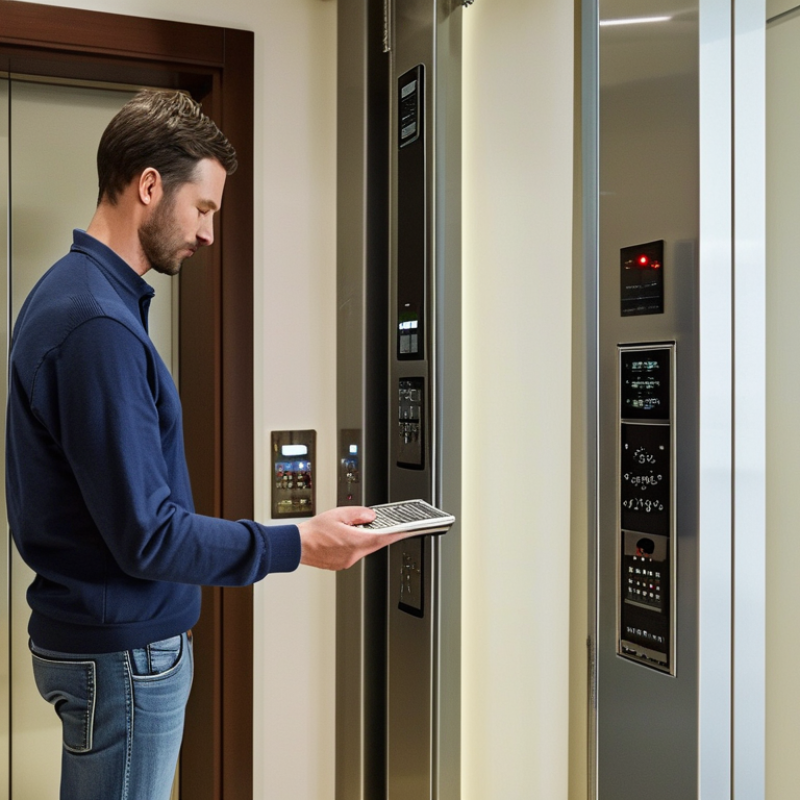
Home elevators are a valuable investment, providing convenience and accessibility. However, maintaining them is crucial for longevity and safe operation. Regular maintenance helps prevent breakdowns, ensuring the elevator operates smoothly. Skipping this step can lead to costly repairs and safety hazards.
Understanding the importance of this maintenance is essential. Elevators should undergo routine inspections to identify potential issues. For example, worn cables and dirty tracks can affect performance. Timely adjustments can extend the life of the equipment. Additionally, cleaning the elevator regularly prevents dust accumulation, which can interfere with parts.
Neglecting maintenance may seem less urgent at first. However, it can lead to malfunction, putting users at risk. It is worth considering that an elevator’s safety features require attention too. Faulty emergency systems can create dangerous situations. Maintaining a home elevator helps ensure peace of mind for everyone who uses it.
Maintaining a home elevator requires diligent inspection and upkeep of its components. Check the guide rails regularly. Dust and debris can accumulate, hindering smooth operation. Clean them carefully to ensure the elevator runs smoothly. Also, inspect the doors and safety features. They are crucial for the elevator's safe functioning. If you notice any unusual noises or excessive vibrations, address them immediately.
Lubrication is essential in keeping the elevator system operational. Use appropriate lubricants on moving parts. However, it's important to avoid over-lubrication, which can attract dirt. Keep an eye on the elevator’s electrical systems as well. Frayed wires or loose connections can lead to serious issues. Scheduled professional inspections can uncover problems that may not be apparent in daily checks.
Remember, every elevator has its quirks. Observe its performance patterns and note any changes or odd behavior. A proactive approach can prevent minor issues from becoming major repairs. Engaging with a qualified technician can further enhance safety. Regular check-ins guarantee that your home elevator remains reliable, serving your needs for years.
Home elevators can enhance accessibility and convenience. However, they require attention to common issues. The most recurring problems include strange noises, slow operation, and unexpected stops. Identifying these issues early can save time and money.
Strange noises often originate from worn-out parts. If you hear grinding or squeaking, inspect the rails and pulleys. Regularly lubricate these components to prevent further damage. For slow operation, check the power supply and battery. A weak battery can hinder performance. Changing it when necessary ensures smooth operation.
Unexpected stops might indicate a safety feature activating. However, frequent occurrences require immediate attention. Inspect the door sensors and the cabin. A misaligned door can trigger false alarms. If problems persist, it’s wise to consult a professional. Regular maintenance can extend your elevator's lifespan, but neglecting issues can lead to more significant, costly repairs. Consider keeping a log of any irregularities for future reference. Reflecting on these details keeps your home elevator running smoothly.
| Maintenance Task | Frequency | Common Issues | Recommended Action |
|---|---|---|---|
| Inspect the door sensors | Monthly | Doors not closing properly | Adjust or replace sensors |
| Lubricate moving parts | Quarterly | Noisy operation | Apply recommended lubricant |
| Check for cable wear | Bi-annually | Visible fraying | Replace cables immediately |
| Test emergency systems | Monthly | Emergency alarm not functioning | Inspect & repair alarm system |
| Clean the elevator shaft | Annually | Debris accumulation | Schedule a professional clean |
Elevators, essential in many homes, require careful maintenance for safe operation. Regular inspections are crucial. According to the National Elevator Industry, about 50% of accidents stem from inadequate maintenance. This fact highlights the importance of routine checks. A qualified technician should conduct these inspections every six months, ensuring all components function correctly.
Regular lubrication of moving parts is also key. A lack of lubrication can lead to wear and tear over time. Studies show that properly lubricated elevators operate more efficiently and have a longer lifespan. Homeowners should also ensure that emergency systems, like backup power, are fully operational. Failures in these systems can lead to dangerous situations.
Safety features should never be overlooked. Installing door sensors helps prevent accidents. In addition, clear signage can guide users on proper elevator etiquette. Even a small oversight can result in severe injuries. A well-maintained elevator creates a safer environment for all users. Regular education can enhance safety awareness among residents.
When it comes to maintaining a home elevator, professional maintenance services play a crucial role. According to the Elevator World Industry Report, regular maintenance can extend the lifespan of an elevator significantly. Neglecting periodic inspections may lead to unexpected breakdowns. In fact, over 70% of elevator malfunctions are attributed to improper maintenance practices.
Hiring professionals ensures that your home elevator operates safely. Trained technicians are equipped with the skills to identify potential risks. Regular service checks can prevent wear and tear. They can replace worn-out parts before they lead to major issues. For example, a minor cable issue might escalate into a complete system failure if overlooked. Investing in professional services is not just a convenience; it is a necessity for safety.
Many homeowners underestimate the complexity of elevator systems. Regular DIY maintenance might miss critical components needing attention. Industry experts recommend hiring seasoned technicians once every six months. This frequency allows for timely identification of problems. If an elevator has not been serviced for over a year, it may already present safety hazards. Awareness of these details can lead to better care for your home elevator, ensuring its longevity and reliability for years to come.
: Home elevator maintenance ensures longevity and safe operation. Neglecting it can lead to costly repairs and safety hazards.
Look for strange noises, slow operation, and unexpected stops. Identifying these early can save time and money.
Strange noises often come from worn-out parts. Inspect rails and pulleys if you hear grinding or squeaking.
Regularly lubricate moving parts. Lack of lubrication can cause wear and reduce efficiency.
Inspect your elevator every six months. Routine checks help ensure all components function correctly.
Check door sensors and alignment. Frequent unexpected stops may require immediate professional attention.
Yes, emergency systems like backup power are essential. Failures can lead to dangerous situations for users.
Install door sensors and clear signage. Small oversights can result in serious injuries.
Yes, maintaining a log of irregularities helps manage issues. Reflecting on these details ensures smooth operation.
Maintaining a home elevator safely is crucial for ensuring its longevity and reliable operation. Regular inspection and upkeep of elevator components, such as cables, brakes, and doors, can help identify potential issues before they escalate. Homeowners should be aware of common problems, including unusual noises or unexpected stops, and address them promptly to avoid safety hazards.
Additionally, implementing safety measures, such as proper usage guidelines and emergency protocols, is essential for a smooth and secure elevator operation. When maintenance becomes overwhelming or specialized skills are required, it is important to consider hiring professional maintenance services. Understanding how to maintain a home elevator safely not only enhances safety but also contributes to the overall functionality and efficiency of the elevator system.

Keg Lift