When discussing equipment for high-reaching tasks, one common question arises: what is the maximum height for a telescopic boom lift? Telescopic boom lifts are widely used in construction and maintenance. They offer the ability to reach significant heights with ease and safety. Understanding their height limits is crucial for planning any project.
These lifts can vary greatly in maximum reach. Depending on the model, heights can range from 30 to over 180 feet. An operator must know the specific requirements of their job. This knowledge ensures that they select the right boom lift. Choosing the wrong equipment can lead to safety risks and inefficiencies. It’s also essential to consider the lift’s load capacity and stability at higher elevations.
Additionally, while telescopic boom lifts are effective, users should be aware of their limitations. Not all projects may require maximum height capabilities. Reflecting on project needs can guide equipment choices more effectively. Balancing height with safety and operational capability is the key to success.
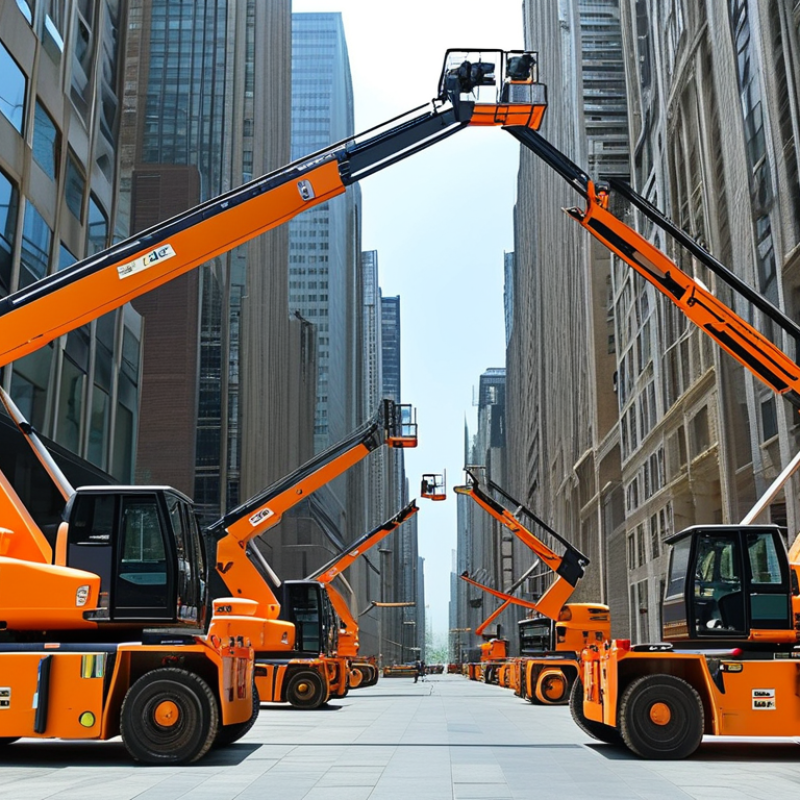
Telescopic boom lifts are crucial in various industries like construction, maintenance, and warehousing. These machines offer vertical reach and versatility. The maximum height can vary based on the model, typically ranging from 40 to over 180 feet. An industry report by the American National Standards Institute indicates that working at height increases operational efficiency. However, safety is paramount as well.
The application of telescopic boom lifts extends beyond standard lifting tasks. They can navigate tight spaces or uneven terrain. This capability makes them ideal for tasks like electrical work or building inspections. Recent market analysis shows that the demand for such equipment is projected to grow by over 5% annually. This trend reflects a growing need for safe and efficient access solutions.
Despite the advantages, operators must be cautious. Inadequate training can lead to accidents. A notable report from the Occupational Safety and Health Administration indicates that improper use accounts for a significant percentage of lift-related injuries. Continuous training programs can mitigate risks and improve safety practices. It's essential to recognize the balance between innovation and the responsibility that comes with operating telescopic boom lifts.
When considering the maximum height for a telescopic boom lift, several key factors play a pivotal role. One primary factor is the design and engineering specifications of the lift. According to industry reports, most boom lifts can reach heights between 30 and 180 feet. However, lifts designed for heavy-duty tasks often exceed this range. It's crucial to note that increasing height can lead to stability issues if the lift isn't adequately supported.
Another essential aspect is the platform capacity. Boom lifts typically have a working load limit ranging from 500 to 1,000 pounds. This limit directly affects the height capabilities. Lifts designed for heavier loads may have a lower maximum height due to safety concerns. Additionally, the terrain on which the lift operates significantly influences its functionality. SLopes and uneven surfaces can further limit achievable heights.
Operator training cannot be overlooked. An experienced operator ensures safe operation at maximum heights. Data suggest that improperly trained operators are twice as likely to misjudge lift stability, leading to accidents. Regular maintenance and inspection are also critical in determining the maximum operational height. Thus, addressing these factors is vital for safe and effective usage of telescopic boom lifts.
When discussing the maximum height for telescopic boom lifts, safety standards are crucial. According to the Occupational Safety and Health Administration (OSHA), the maximum working height can vary significantly depending on the lift's design and intended use. For instance, many lifts reach heights of 30 to 60 feet. However, units designed for construction sites often exceed this, some reaching over 100 feet.
Adherence to safety guidelines is not just advisable; it is a requirement. The American National Standards Institute (ANSI) provides specific guidelines for boom lift operation, including load limits and height restrictions. These standards help prevent accidents during operation. In 2022, a report indicated that improper use of boom lifts contributed to nearly 25% of all aerial lift-related fatalities. Such data emphasizes the need for compliance and training to ensure operator safety.
Despite improvements, gaps in training and awareness persist in the industry. A significant percentage of operators reportedly received insufficient instruction on lift operation. This highlights the need for continuous education. Ensuring that operators understand maximum height limits is not only beneficial but essential for workplace safety.
This chart illustrates the maximum height capabilities of various telescopic boom lift models, reflecting compliance with safety standards and regulations. Understanding these heights is crucial for ensuring safe operational practices in construction and maintenance work.
When analyzing the maximum height capabilities of various telescopic boom lift models, it’s essential to consider their specifications and operational efficiency. According to industry reports, models can reach heights ranging from 30 to 70 feet or more. Understanding the lifting height relative to the working envelope enhances safety and reliability on-site.
Height isn't the only factor. Stability and weight capacity also play crucial roles. A report from the National Association of Equipment Dealers (NAED) indicates that higher lifts often require additional counterweights, which can affect maneuverability. This means that while a model might boast an impressive reach, its stability must be assessed in real-world settings.
Effective operation requires careful attention. Always evaluate ground conditions before deploying. Soft or uneven surfaces can undermine a boom lift's stability, potentially leading to accidents. Regular maintenance and operator training are vital for safe usage. Knowledge of a lift's height limits will also ensure optimal work performance. Always consult with an expert to understand the specific needs and limitations of the equipment being considered.
Regular maintenance is crucial for the optimal performance of boom lifts. Start by conducting routine inspections of your telescopic boom lift. Check for any visible damage, such as cracks or rust. Ensure that the boom extends and retracts smoothly. Lubricate moving parts to avoid wear and tear. Pay attention to hydraulic fluid levels, as low fluid can lead to serious operational issues.
Safety is paramount. Regularly inspect safety features like emergency stop buttons and harnesses. Test the stability of the lift before each use. Keep the machine free from debris or obstacles that could hinder its operation. Properly training operators on safe usage can significantly reduce accidents.
While it’s essential to follow guidelines, there can be gaps. For instance, workers may skip minor checks due to time constraints. This can lead to larger problems down the line. Make it a team effort to enforce consistent maintenance practices. Everyone should be aware of the lift's operating capacity and limitations. These practices will enhance the reliability and lifespan of your boom lift.
| Maximum Height (ft) | Maximum Reach (ft) | Weight Capacity (lbs) | Type of Boom Lift | Maintenance Frequency (Months) |
|---|---|---|---|---|
| 60 | 70 | 500 | Telescopic | 6 |
| 70 | 80 | 600 | Articulating | 6 |
| 50 | 65 | 450 | Compact | 12 |
| 80 | 90 | 800 | Heavy-Duty | 4 |
: Key factors include design specifications, platform capacity, terrain, operator training, and maintenance.
Most boom lifts range from 30 to 180 feet, with some heavy-duty models exceeding this range.
Yes, higher load limits can lower maximum height due to safety concerns.
Slopes and uneven surfaces can limit the achievable height and affect overall stability.
Proper training reduces the risk of accidents by ensuring operators can judge stability effectively.
Regular inspections and maintenance are critical to ensuring safe operation and performance.
Yes, higher lifts may need counterweights, impacting their maneuverability and stability.
Evaluating soft or uneven surfaces is crucial. These factors can undermine stability and create risks.
Consult with an expert to understand equipment limits and operational needs before use.
Yes, improperly trained operators are more likely to misjudge stability, which can lead to accidents.
Telescopic boom lifts are essential equipment used in various industries for reaching elevated heights, enabling tasks such as construction, maintenance, and inspection. Understanding what is the maximum height for a telescopic boom lift involves considering key factors that can affect lift performance. These factors include the lift's design, load capacity, and environmental conditions. Safety standards and regulations play a crucial role in determining the permissible heights for boom lifts, ensuring worker safety and compliance.
Additionally, a comparative analysis of different boom lift models reveals significant differences in maximum height capabilities, enabling users to select the most suitable equipment for their needs. Regular maintenance is vital for the optimal performance of boom lifts, helping to ensure they operate safely and efficiently. By paying attention to these aspects, users can maximize the effectiveness of telescopic boom lifts while adhering to safety protocols.

Keg Lift