Operating a scissor lift for the first time can be daunting. In 2026, the demand for scissor lifts continues to rise, as the construction industry is expected to grow by 5.4% annually (IBISWorld). Understanding how to operate a scissor lift safely and effectively is essential. It not only enhances productivity but also ensures safety on job sites. Misuse can lead to accidents; in fact, nearly 10% of workplace injuries stem from lifting equipment.
Training is crucial. Beginners often underestimate the importance of familiarizing themselves with equipment controls. Before learning how to operate a scissor lift, one should review safety protocols and manufacturer guidelines. Industry experts recommend attending hands-on training sessions. These can boost confidence and diminish risks associated with improper operation. Additionally, studies reveal that almost 62% of accidents are preventable with adequate training.
Awareness of site conditions is also vital. Scissor lifts should only be used on stable surfaces. Many new operators overlook this. A lack of proper safety gear and understanding of potential hazards may lead to mistakes. Developing skill in operating a scissor lift is a journey. It requires practice, patience, and a commitment to safety.
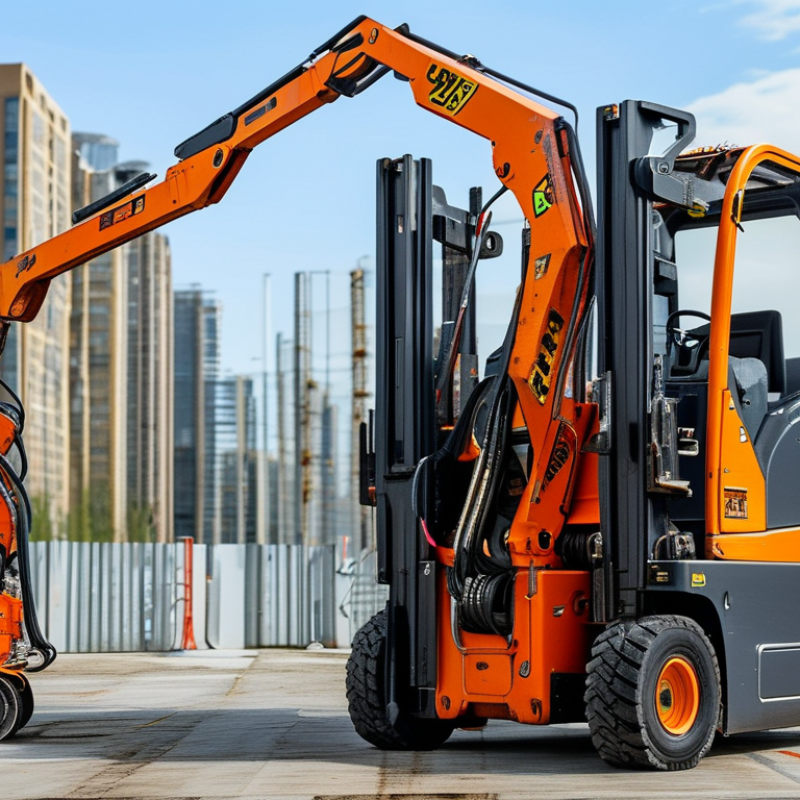
Operating a scissor lift can seem daunting for beginners, but understanding its basics can make the process smoother. Scissor lifts provide vertical access to elevated workspaces. They are driven by hydraulic systems which raise the platform vertically in a compact way. This functionality is crucial in construction and maintenance tasks.
Before using a scissor lift, familiarize yourself with its components. The platform usually has guardrails for safety. Controls typically include buttons for raising and lowering the unit. Knowing how to operate these controls is essential. It's important to practice on the ground first to build confidence. Many operators overlook this step, which can lead to mistakes once elevated.
Safety is key when operating a scissor lift. Always check the surrounding area for overhead obstructions. Wind conditions can affect stability, so be cautious. Some users fail to consider these factors, resulting in accidents. As you gain experience, reflecting on your practices will enhance your skills. Continuous learning is vital for safe operation.
Operating a scissor lift requires careful attention to safety. Before stepping into the operator's seat, one must perform a thorough inspection. Check for any visible damage on the lift. Inspect the hydraulic system and ensure all components function correctly. An overlooked issue can lead to unexpected breakdowns.
Wearing appropriate safety gear is essential. Hard hats, harnesses, and non-slip footwear are significant for protection. Make sure ground conditions are stable. Avoid operating on soft or uneven terrain. Operators must also maintain clear communication with others on-site. Using hand signals or radios can prevent accidents.
Awareness of surroundings is crucial. Keep a safe distance from overhead power lines. Evaluate the area for potential hazards like falling objects. No one wants to be the reason for an accident. Regular training helps maintain a good understanding of best practices. Reflect on previous experiences for improvement. Acknowledging mistakes fosters better operation skills.
| Safety Precaution | Description | Importance Level |
|---|---|---|
| Wear Personal Protective Equipment (PPE) | Use hard hats, safety glasses, gloves, and harnesses. | High |
| Inspect the Lift | Check for any damages and ensure all controls are functional. | Critical |
| Understand the Controls | Get familiar with the lift’s control panel and emergency mechanisms. | Essential |
| Set Up a Safe Work Area | Clear the area of obstacles and ensure proper signage. | Important |
| Check Ground Conditions | Ensure the ground can support the lift without sinking or tipping. | High |
| Avoid Overreaching | Keep your body within the guardrails while working. | Critical |
| Communicate with Ground Personnel | Establish signals with workers on the ground. | Essential |
Operating a scissor lift requires careful attention to detail. Safety is crucial. Before starting, ensure the area is free of obstructions. According to data from the American National Standards Institute (ANSI), about 10% of accidents occur due to inadequate space for operation.
To begin, familiarize yourself with the lift's controls. Most models have simple joystick functions for movement and height adjustment. A report by the International Powered Access Federation (IPAF) emphasizes the importance of training. Proper training reduces operational errors by over 30%.
As you ascend, maintain a steady pace. Jerky movements can lead to instability. Keep your hands on the controls. A quick glance downwards can reveal potential hazards. Always check for overhead lines or structures. Most operators overlook these risks, yet they are critical. Be aware that even small mistakes can lead to serious accidents.
Operating a scissor lift can be daunting for beginners in 2026. Knowing best practices for maneuvering and positioning is essential for safety and efficiency. First, always ensure the area is clear of obstacles. A 2023 industry report indicated that 25% of accidents occur due to poor spatial awareness. Starting with a clean site fosters focus and minimizes hazards.
Proper positioning is critical. Make sure to use the lift on stable ground. The Occupational Safety and Health Administration (OSHA) emphasizes the importance of a firm base to reduce risk. When changing locations, lower the platform before moving to ensure stability. This practice significantly decreases the likelihood of tipping incidents.
Tips to remember: Always wear your safety harness. Familiarize yourself with the lift controls before operation. Start with smaller lifts to build confidence. Reflect on your experiences—consider what worked well and what didn’t. This continual assessment leads to better practices over time. Stay informed on the latest safety standards and training resources to keep your skills sharp.
To ensure your scissor lift remains in optimal condition, regular maintenance is essential. According to industry reports, nearly 30% of lift-related accidents stem from mechanical failures due to inadequate upkeep. Checking the hydraulic system should be a top priority. Look for any leaks or corrosion. Ensure that the fluid levels are appropriate. This simple inspection can prevent larger, more costly repairs.
Battery maintenance is another key factor. Batteries should be charged regularly and inspected for wear. The Occupational Safety and Health Administration (OSHA) recommends checking connections at least once per month. Loose or damaged connections can lead to unexpected downtime and danger.
Tire condition also plays a significant role in safety. Air pressure should be monitored. According to the American National Standards Institute (ANSI), a 10% drop in tire pressure can significantly affect lift performance. Inspect tires for cuts or excessive wear. Regularly maintaining these components not only enhances safety but can prolong the lift's lifespan.
: A scissor lift provides vertical access to elevated workspaces using a hydraulic system.
Familiarize yourself with controls. Practice on the ground before elevating.
Inspect the area for overhead obstructions and consider wind conditions for stability.
Regular maintenance prevents mechanical failures, reducing the risk of accidents and costly repairs.
Check for leaks and corrosion. Ensure proper fluid levels to keep the system functioning well.
Charge batteries regularly and inspect connections monthly for wear and damage.
Monitor tire pressure and inspect for cuts. Low pressure impacts performance and stability.
Many operators skip ground practice and fail to check their surroundings, leading to accidents.
Reflect on your practices and commit to continuous learning about operations and safety measures.
Neglected maintenance may lead to unexpected downtime and increased danger during operation.
Operating a scissor lift for the first time can seem daunting, but understanding the fundamental aspects of these machines is crucial. The article begins by explaining the basic functionality of scissor lifts, followed by essential safety precautions that must be observed before use. A detailed step-by-step guide outlines the process of starting and controlling the lift, which is vital for beginners.
Furthermore, the article emphasizes best practices for maneuvering and positioning the lift safely, ensuring the operator’s safety and the integrity of the workspace. Finally, maintaining a scissor lift in optimal condition is highlighted through practical maintenance tips. By following these guidelines, anyone can learn how to operate a scissor lift for the first time confidently and safely.

Keg Lift