Operating a scissor lift for the first time can feel daunting. However, understanding the basics is crucial for safety and efficiency. This equipment is widely used in construction and maintenance tasks. Beginners often worry about their lack of experience. Yet, with the right guidance, anyone can learn how to operate a scissor lift for the first time.
Safety should be your top priority. Familiarize yourself with the lift before use. Start by reading the operator’s manual thoroughly. Pay attention to weight limits and height restrictions. Inspect the equipment for any damages. Consider practicing in a controlled environment with supervision. Each lift operates slightly differently, and knowing the controls can ease anxiety.
You may face challenges while gaining confidence. It's normal to feel uneasy at first. Overcoming this discomfort comes with practice. Ensure you have the right gear like a hard hat and safety harness. Understanding these basic principles will lead to a safer work environment. Embracing the learning curve is key to effective scissor lift operation.
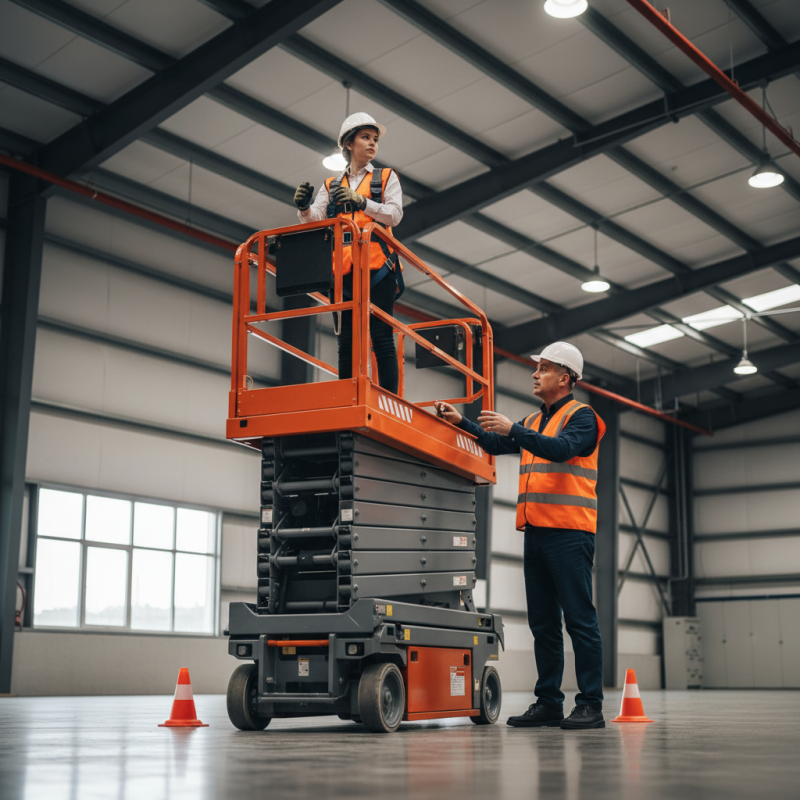
Understanding the Basics of Scissor Lifts: An Overview
Understanding the basics of scissor lifts is crucial for any beginner. These machines provide a stable platform that can elevate workers to great heights. A scissor lift operates using a series of crisscrossing supports, which extend vertically. This design allows for a compact lifting mechanism, ideal for tight spaces.
When approaching a scissor lift, inspect its condition. Check for any visible damage or wear on the tires and hydraulic system. Pay attention to the operating manual. Familiarize yourself with the controls before starting. Improper use can lead to accidents or malfunctions. Even experienced operators occasionally overlook these details.
Practice is key to mastering scissor lifts. Start with basic movements like raising and lowering the platform. Gradually learn to maneuver in different directions. Remember, the ground needs to be level for safe operation. Ignoring this can cause instability. Reflect on your experience and stay aware of your surroundings. Every lift operation teaches something new, contributing to overall competence.
Essential Safety Precautions Before Operating a Scissor Lift
Operating a scissor lift requires careful attention to safety precautions. Before you begin, it is crucial to inspect the equipment. According to the American National Standards Institute (ANSI), about 50% of scissor lift accidents occur due to faulty equipment. Ensure all parts, including the guardrails, hydraulic system, and brakes, are in good condition. A simple visual inspection can prevent major accidents.
Wearing appropriate personal protective equipment (PPE) is mandatory. Hard hats and non-slip footwear are essential. The Occupational Safety and Health Administration (OSHA) reports that falls account for 20% of workplace fatalities. Additionally, ensuring that the work area is clear of obstacles will help maintain safety. Avoid working in high winds or adverse weather conditions, as these can create instability.
Also, training is an integral part of safety. Operators must understand how to control the lift properly and recognize potential hazards. A study by the National Institute for Occupational Safety and Health (NIOSH) found that many injuries occur due to operator errors. Continuous learning and reflection on past experiences can greatly enhance safety awareness. Remember, impatience can lead to neglect, so take your time to follow proper procedures.
Scissor Lift Operation Safety Tips
Step-by-Step Guide to Operating a Scissor Lift for Beginners
Operating a scissor lift requires attention to detail and safety. Understanding the equipment is crucial for beginners. According to the U.S. Bureau of Labor Statistics, roughly 25% of workplace injuries occur due to falls from heights. Familiarizing yourself with the lift's controls and safety features is essential.
Before you begin, perform a pre-operation inspection. Check for any signs of wear, leaks, or damaged parts. Ensure the area is clear of obstacles. Always wear personal protective equipment, such as helmets and harnesses. The American National Standards Institute (ANSI) recommends that operators undergo formal training before using lifts.
Tips for operating a scissor lift include maintaining a stable base. Avoid moving the lift while elevated. Take note of wind conditions, as gusts can destabilize the lift. Practicing smooth, controlled movements prevents accidents. Remember, safety is not a checklist; it requires ongoing vigilance and adjustment. Reflect on your experiences and maintain an open line of communication with your team. Always prioritize safety in every operation.
Common Mistakes to Avoid When Using a Scissor Lift
Operating a scissor lift can be daunting for beginners. One common mistake occurs when operators overlook the importance of proper training. It's crucial to understand the lift's features before use. Failing to do so can lead to accidents or damage to property. Additionally, many beginners forget to conduct a pre-operation inspection. You should check for hydraulic leaks, tire condition, and battery status. Neglecting this task risks safety and operational efficiency.
Another frequent error is improper positioning of the lift. Placing it on uneven ground can compromise stability. Always make sure the surface is level and firm. Moreover, ensure that the lift's extension possibilities are within the required operational area. Unintended extensions beyond limits can lead to tipping or loss of control.
Safety gear is often ignored. Wearing a harness is essential, even for short heights. It’s about developing good habits. Remember, every failure or oversight is a chance to learn. Stay alert and focused to improve your operation skills.
Maintenance Tips for Ensuring Safe Operation of Scissor Lifts
When operating a scissor lift, maintenance is crucial for safety. A well-maintained lift significantly reduces accidents. A report by the
Occupational Safety and Health Administration (OSHA) found that improper maintenance accounts for 25% of scissor lift incidents. Regular checks can catch issues before they escalate.
Daily inspections should include checking fluid levels and inspecting hydraulic systems. Look for leaks and worn components. Tires must be in good condition, as they affect stability. According to industry standards, lifts should undergo thorough inspections every six months. This helps ensure compliance and extends equipment life.
Operators should be trained to recognize warning signs, such as unusual noises or erratic movements. This awareness can prevent accidents.
Implement a maintenance log, noting each inspection and repair. Data shows that companies with such logs experience fewer incidents.
While maintenance requires effort, overlooking it can lead to costly accidents and injuries. It is the responsibility of operators to ensure their safety and that of their coworkers.
FAQS
: Inspect the lift’s condition, focusing on tires and the hydraulic system. Look for visible damage.
Familiarity with the controls prevents accidents. Even skilled operators can overlook essential details.
Practice basic movements like raising and lowering. Gradually learn to maneuver in various directions.
Wear hard hats and non-slip footwear. These protect against falls and other potential hazards.
Do not operate in high winds or adverse weather. These can cause instability and lead to accidents.
Training is essential. Understand controls and potential hazards to reduce the likelihood of mistakes.
Reflecting on past experiences enhances safety awareness. Impatience can neglect important safety procedures.
About 50% of scissor lift accidents are due to equipment issues. Regular inspections are vital to prevent accidents.
Yes, a clear work area helps maintain safety. Obstacles can lead to accidents or injuries.
Skipping checks is risky. Take time for inspections; it could prevent major accidents down the line.
Conclusion
Operating a scissor lift for the first time can be an intimidating experience, but with the right knowledge and precautions, beginners can navigate this task safely and effectively. Understanding the basics of scissor lifts is essential; these platforms are primarily used to reach elevated areas and require adherence to specific safety protocols. Before operating a scissor lift, it is crucial to conduct safety checks, including inspecting the lift for any potential issues and ensuring that the work area is clear of hazards.
When learning how to operate a scissor lift for the first time, following a step-by-step guide can facilitate a smooth experience. Key aspects include familiarizing oneself with the controls, understanding load limits, and practicing proper positioning. Additionally, beginners should be aware of common mistakes, such as overreaching and neglecting to use the safety features. Regular maintenance is also vital, ensuring that the lift remains in safe working condition. By following these guidelines, novice operators can enhance their confidence and proficiency in using scissor lifts safely.

 Keg Lift