Top Tips for Cleaning Elevator Door Tracks Properly?

Time:2026-09-17 Author:Ethan
0%

Elevator door tracks collect dust, coins, grit, hair, and small metal fragments every day. These particles can restrict door movement, create unusual noise, and increase wear on rollers or guide shoes. Learning how to clean elevator door tracks properly supports smoother operation and more reliable maintenance.

Elevator maintenance consultant John Ketchum explains, “A clean sill is a small detail that protects a much larger moving system.” His observation reflects an important maintenance principle: small debris can create significant performance problems. Before cleaning, a qualified elevator technician should isolate the equipment according to the building’s safety procedures. Never place fingers, tools, or loose cloth near moving doors.

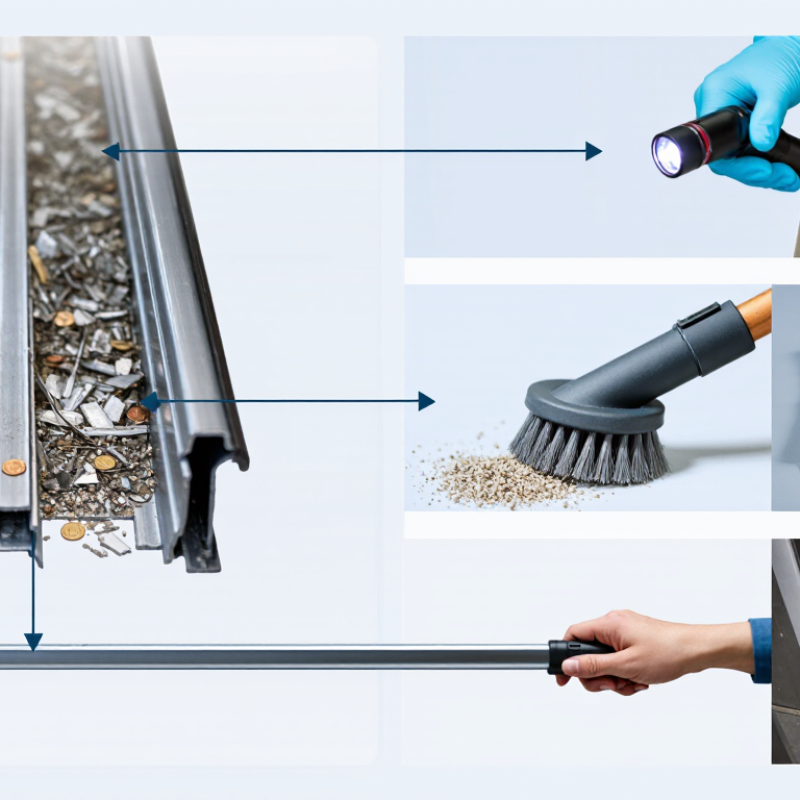
Begin with a flashlight and inspect the full track length. Look beneath the door gap, around the sill grooves, and near the landing edges. Use a narrow vacuum attachment to remove loose debris. A soft nylon brush can loosen compacted grit. Avoid steel brushes. They may scratch the track or leave sharp fragments behind.

Wipe the surface with a slightly damp, lint-free cloth. Do not flood the sill. Excess moisture can enter concealed components. Avoid applying oil or general-purpose lubricant unless the equipment manufacturer specifically permits it. Lubricant may trap dust and worsen the obstruction.

The final check matters. Watch the doors open and close from a safe position. Listen for scraping, hesitation, vibration, or uneven movement. A clean track will not fix damaged rollers, misalignment, or faulty sensors. That is where my earlier assumption would fail.

When problems remain, stop cleaning and request professional inspection. Good maintenance is careful, limited, and repeatable. Sometimes, less intervention prevents more damage.
Top Tips for Cleaning Elevator Door Tracks Properly?

What Elevator Door Tracks Are and Why Regular Cleaning Matters

Top Tips for Cleaning Elevator Door Tracks Properly?

Elevator door tracks are the narrow channels beneath sliding doors. They guide door rollers and help panels move evenly. Dust, coins, grit, and small stones can collect inside these channels. Even a thin layer may increase friction and create scraping sounds.

Regular cleaning matters because dirty tracks can slow door movement and strain mechanical parts. They may also cause uneven closing, repeated reopening, or unnecessary service visits. In busy buildings, weekly visual checks are sensible. Cleaning frequency should reflect traffic, dust, and site conditions.

Safety comes first.

Only trained personnel should clean the track during approved maintenance procedures. Follow the elevator’s service instructions and isolate the equipment when required. Remove loose debris with a soft brush or suitable vacuum. Then wipe the channel with a slightly damp, lint-free cloth. Never flood the track with water or harsh chemicals. Moisture can reach sensitive components.

Inspect the rollers, guide surfaces, and sill edges while cleaning. A damaged roller may resemble a dirt problem. That mistake is easy to make. If scraping continues, stop and request a qualified inspection. I have found that a quick final test often reveals missed grit near the corners. Clean does not always mean fully clear. Consistent records also help technicians identify recurring debris or alignment issues before they become costly.

How to Prepare the Area and Choose Safe Cleaning Supplies

Top Tips for Cleaning Elevator Door Tracks Properly

Prepare the area before touching the track. Ask a qualified elevator technician to isolate the equipment. Never clean while doors are cycling. Barricade the entrance, post a warning sign, and keep passengers away. The U.S. Bureau of Labor Statistics recorded 885 fatal workplace falls, slips, and trips in 2023. A wet floor near an elevator creates an avoidable hazard. Place absorbent mats outside the landing, not inside the moving doorway.

Choose supplies that remove debris without damaging metal or sensors. Use a soft nylon brush, a vacuum with a narrow nozzle, lint-free cloths, and a small amount of neutral-pH detergent. Check the product’s Safety Data Sheet, as required by OSHA’s Hazard Communication Standard. Avoid bleach, acidic cleaners, abrasive powders, and excessive water. Chloride residues can encourage corrosion. Spray the cloth, never the track. Keep liquid away from door sensors and electrical gaps. I once used too much solution and spread black grit into the channel. Dry cleaning works better than aggressive scrubbing. Inspect the sill afterward for loose screws, sharp edges, or unusual wear. Record the cleaning date and report mechanical problems instead of adjusting components yourself.

How to Remove Dust and Debris from Elevator Door Tracks

Top Tips for Cleaning Elevator Door Tracks Properly

Elevator door tracks collect dust, coins, hair, and small stones every day. These particles can restrict door movement and create scraping sounds. Industry estimates suggest elevators handle nearly 18 billion passenger trips annually in the United States. Heavy use makes track cleaning a practical maintenance priority. OSHA’s 29 CFR 1910.22 also requires walking-working surfaces to remain clean, orderly, and sanitary.

A qualified technician should place the elevator out of service before cleaning. Never reach into a moving door track. Use a vacuum with a soft brush attachment first. Then loosen compacted debris with a nylon brush. Wipe the sill groove with a dry, lint-free cloth. Avoid water, oily sprays, and sharp tools unless the equipment manual specifically permits them. Moisture can attract more dust. Sharp tools may damage the track.

Tips: Inspect weekly in busy buildings. Check corners carefully. Do not blow debris with compressed air. It spreads particles into sensors and door equipment. After cleaning, test the doors several times from a safe position. Listen for rubbing, hesitation, or uneven movement. A clean track cannot correct worn rollers or poor alignment. That assumption is easy to make, and it is wrong. Record the cleaning date, visible debris, and unusual sounds. Maintenance records support consistent inspections and help technicians identify repeated problems.

How to Clean, Dry, and Inspect the Track Thoroughly

Top Tips for Cleaning Elevator Door Tracks Properly

How to Clean, Dry, and Inspect the Track Thoroughly

Elevator door tracks collect dust, coins, grit, and metal filings. These particles can increase door resistance and create uneven movement. OSHA safety literature frequently cites about 30 elevator-related deaths and 17,000 serious injuries annually in the United States. Most involve workers or passengers, so cleaning must never replace proper isolation procedures.

Only trained personnel should work near an elevator entrance. Follow the site’s lockout and access rules before removing debris. Use a narrow, non-metallic brush and a vacuum with a fine filter. Avoid forcing dirt deeper into the sill groove. Do not pour water into the track. Moisture can reach sensors, wiring, or concealed components. A slightly damp cloth can remove residue from accessible surfaces.

Dry it completely.

Use a lint-free cloth, then inspect the full visible length with a flashlight. Look for bent metal, sharp edges, loose fasteners, corrosion, and worn guide surfaces. Check whether the door moves smoothly after authorized testing. ASME A17.1/CSA B44 emphasizes safe door operation and equipment condition, but cleaning alone cannot correct mechanical defects. I have seen clean tracks hide damaged rollers. That mistake is easy to make. Record unusual noise, scraping, or repeated contamination, and refer the elevator to a qualified technician before returning it to normal service.

How to Maintain Clean Elevator Door Tracks and Prevent Buildup

Top Tips for Cleaning Elevator Door Tracks Properly

Clean elevator door tracks regularly to prevent dust, grit, and small stones from blocking smooth movement. In busy buildings, inspect the sill and track edges weekly. Before cleaning, remove the elevator from service and follow the site’s approved safety procedure. Only trained personnel should access moving door areas. Never place fingers inside the track or force a stiff door.

Tips: Use a narrow vacuum nozzle first. Then wipe the track with a dry, lint-free cloth. For sticky residue, use a small amount of approved cleaner on the cloth, not directly in the track. Keep moisture away from sensors, wiring, and door rollers. Avoid oil unless the equipment manual specifically requires it. Oil can trap dust and create a rough paste.

I once underestimated how quickly sand collected near an entrance, especially after rainy weather. The doors still moved, but their closing sound had changed. That detail deserved attention earlier. After cleaning, check for uneven movement, scraping sounds, or repeated reopening. Record the inspection date and any unusual findings. If buildup returns quickly, the issue may involve damaged seals, worn rollers, or nearby construction dust. A qualified elevator technician should investigate those conditions rather than relying on repeated cleaning.

Top Tips for Cleaning Elevator Door Tracks Properly? - How to Maintain Clean Elevator Door Tracks and Prevent Buildup

Maintenance Area Recommended Practice Suggested Frequency Useful Tools or Materials Reason and Expected Benefit
Initial inspection Check the sill and door-track channels for dust, grit, hair, paper, spilled liquids, and objects that could obstruct door movement. Daily in busy buildings; otherwise during each routine cleaning visit Flashlight, gloves, visual checklist Early detection helps prevent debris from interfering with door operation or becoming compacted in the track.
Remove loose debris Vacuum or brush debris out of the grooves before using any damp cleaning method. Work along the full length of the sill. Daily to weekly, depending on traffic and site conditions Crevice vacuum attachment, soft-bristle brush, dustpan Dry removal prevents loose particles from turning into mud when mixed with cleaning solution.
Clean narrow grooves Use a soft, non-metallic brush or a cloth-wrapped tool to loosen residue. Avoid sharp objects that may scratch or deform the track. As needed during routine cleaning Nylon detailing brush, microfiber cloth, plastic scraper Gentle tools remove buildup while reducing the risk of damage to metal surfaces and guide components.
Damp wiping Wipe accessible surfaces with a lightly damp microfiber cloth and a mild, neutral cleaning solution approved for the surface material. Weekly or when visible marks appear Microfiber cloth, diluted neutral cleaner, clean water Controlled moisture helps remove sticky residue without leaving excessive liquid inside the track.
Drying Dry the sill and grooves completely after damp cleaning. Remove any remaining moisture from corners and recesses. After every damp-cleaning task Dry microfiber cloth, low-moisture cleaning method Dry surfaces reduce the chance of attracting dust, encouraging corrosion, or creating slippery residue.
Avoid unsuitable products Do not pour water into the track or use abrasive powders, strong acids, chlorine products, or unapproved lubricants. Every cleaning task Product labels and the site maintenance instructions Excess moisture and aggressive chemicals can damage finishes, seals, electrical components, or moving parts.
Door movement check After cleaning, confirm that the doors open and close smoothly without unusual noise, hesitation, rubbing, or repeated reopening. After every cleaning session Visual and operational observation from a safe position A post-cleaning check can identify remaining obstructions or mechanical symptoms that require qualified service.
Spill response Block access according to site procedures, remove solid debris, absorb liquid promptly, and report any liquid that may have entered the equipment. Immediately after a spill Absorbent pads, gloves, warning sign, approved cloths Fast response limits residue buildup and reduces the risk of moisture reaching concealed components.
Safety controls Keep hands, tools, and cleaning materials clear of moving doors. Follow the building’s elevator safety procedures and never interfere with safety devices. Every maintenance task Gloves, warning signage, site safety procedure Elevator doors can move automatically and may create pinch points; safe working practices are essential.
Maintenance reporting Record heavy buildup, recurring debris, unusual sounds, uneven movement, or damage and notify the responsible elevator service professional. Whenever an abnormal condition is found Cleaning log, inspection checklist, service report Cleaning staff should not adjust, lubricate, or repair elevator mechanisms unless specifically qualified and authorized.

FAQS

What are elevator door tracks?

They are narrow channels beneath sliding doors. Door rollers travel through them. Dust, coins, grit, and small stones can collect inside.

Why does regular track cleaning matter?

Debris increases friction and may create scraping sounds. Dirty tracks can slow movement, cause uneven closing, and strain mechanical parts. Cleaning helps, but it cannot repair defects.

How often should elevator door tracks be checked?

Busy buildings should receive weekly visual checks. Cleaning frequency should match traffic, dust, and site conditions. Some locations may need more frequent attention.

Who should clean an elevator door track?

Only trained personnel should perform this work. The equipment may need isolation under approved maintenance procedures. Never clean while the doors are cycling.

How should the area be prepared?

Barricade the entrance and display a warning sign. Keep passengers away. Place absorbent mats outside the landing. Keep mats out of the moving doorway.

Which cleaning supplies are suitable?

Use a soft nylon brush, a narrow vacuum nozzle, and lint-free cloths. A small amount of neutral-pH detergent may help. Spray the cloth, never the track.

How should the track be cleaned?

Remove loose debris with a brush or filtered vacuum. Avoid pushing grit deeper into the groove. Wipe accessible surfaces with a slightly damp cloth.Dry it completely.

What should be avoided during cleaning?

Never flood the track with water. Avoid bleach, acidic cleaners, abrasive powders, and harsh chemicals. Moisture may reach sensors, wiring, or hidden components.

What should be inspected after cleaning?

Use a flashlight along the full visible length. Look for bent metal, sharp edges, loose fasteners, corrosion, and worn guide surfaces. A clean groove can still hide a damaged roller.

What if scraping or uneven movement continues?

Stop using the elevator if safety concerns remain. Request a qualified inspection. Do not adjust mechanical parts yourself. Record unusual noise, repeated reopening, and recurring debris.Cleaning is not a repair.

Conclusion

Elevator door tracks collect dust, grit, hair, and other debris that can interfere with smooth door movement and create unnecessary wear. Learning how to clean elevator door tracks properly starts with preparing the area safely, keeping people away from the doorway, and selecting gentle supplies that will not damage metal, sensors, or nearby components. A vacuum, soft brush, lint-free cloth, and mild cleaning solution are usually sufficient for routine care.

Begin by removing loose debris from the track, corners, and rollers without forcing dirt deeper into the mechanism. Wipe the surfaces carefully with a slightly damp cloth, then dry them completely to help prevent residue and corrosion. Inspect the track for remaining buildup, damage, or unusual obstructions before returning the elevator to normal use. Regular cleaning, quick removal of spills and debris, and scheduled inspections can help maintain reliable door operation and reduce the need for intensive maintenance.

Ethan

Ethan

Ethan is a seasoned marketing professional with a deep expertise in our company's innovative product line. With a passion for sharing knowledge and insights, he takes the lead in regularly updating our corporate blog, where he explores industry trends, product features, and effective marketing......