Hydraulic lifts play a crucial role in various industries, from automotive to construction. When these systems fail, it can lead to significant downtime and frustration. Understanding how to troubleshoot a hydraulic lift failure is essential for maintenance professionals. Each component of a hydraulic lift is designed with precision. Yet, wear and tear can disrupt this balance.
Recognizing the signs of failure is the first step. Common issues include leaking fluids, strange noises, and inconsistent lift performance. These indicators can reveal underlying problems. An experienced technician knows that a thorough inspection is key. It helps in pinpointing issues such as faulty pumps or blocked valves.
While mechanical knowledge is vital, equally important is problem-solving intuition. Sometimes, the cause of a failure might not be obvious. Reflecting on past experiences can provide insights. Each failure presents a learning opportunity. Addressing these challenges efficiently not only saves time but enhances overall safety and productivity in the workplace.
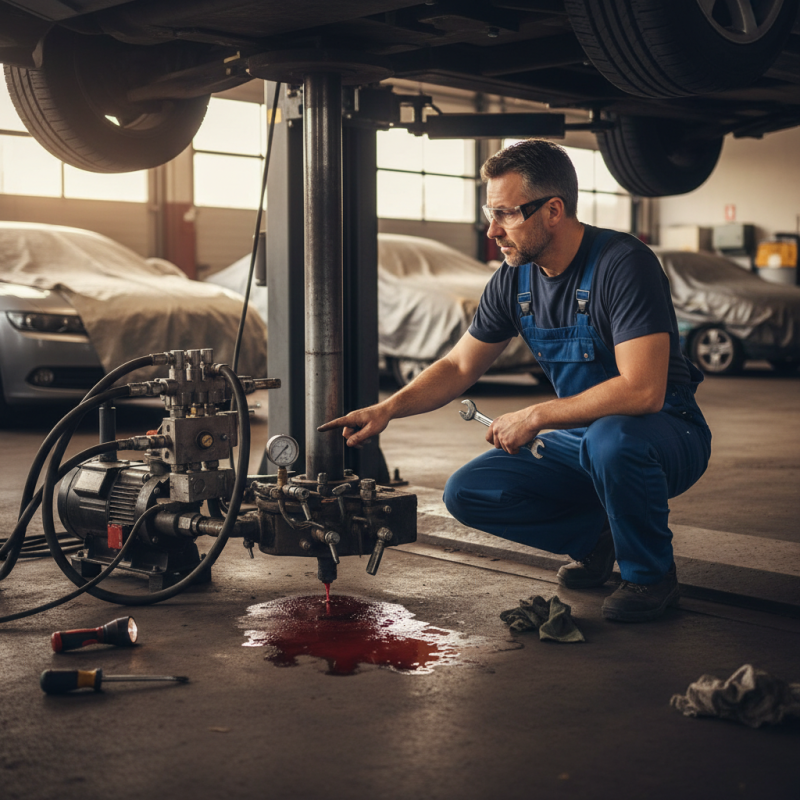
Hydraulic lifts play a crucial role in various industries, yet failures can occur due to several common issues. Understanding these failures is key to effective troubleshooting. According to the International Journal of Fluid Power, improper maintenance is a primary cause of hydraulic lift failures, accounting for approximately 30% of all issues. Neglecting regular checks can lead to oil leaks or pump malfunctions, both critical problems.
Oil contamination is another significant factor. Particles in the hydraulic fluid can damage components, leading to failure. It is reported that around 70% of hydraulic system failures relate to fluid quality. Implementing proper filtration systems can help maintain fluid integrity. Keeping track of fluid conditions is essential to prolong lift life.
Tips: Regularly check oil levels and condition. Changing hydraulic fluid every 6 to 12 months is advisable. Monitor for unusual noises; they often signal underlying issues. Addressing minor problems promptly can prevent costly repairs or replacements. Remember, the cost of ignoring maintenance often far exceeds that of repairs.
When troubleshooting hydraulic lift failures, having the right tools and equipment is crucial. A basic toolkit should include wrenches, screwdrivers, and pliers. These are common tools that are often overlooked but are essential for most repairs. A multimeter is also important for checking electrical components. This device helps identify faults in wiring or connections.
In addition to standard hand tools, specialized equipment can enhance your troubleshooting process. A pressure gauge can measure the hydraulic fluid's pressure. This helps in diagnosing issues related to the pump or cylinders. Leak detectors can pinpoint problems in hoses or fittings. These tools save time and prevent unnecessary disassembly.
Always consider the importance of safety gear. Gloves, goggles, and steel-toed boots protect against potential hazards. Working on hydraulic systems can be risky, and proper preparation is key. Reflect on your current toolkit and assess its adequacy for various lift issues. Reviewing past repairs can also help identify tools you may have missed.
Diagnosing hydraulic lift issues requires a systematic approach. Start by observing the lift’s operation. If it seems sluggish or unresponsive, check the hydraulic fluid levels. Low fluid might signify a leak. Inspect all hoses and connections for any visible signs of wear or damage. Small leaks can lead to larger problems over time.
Next, look at the hydraulic pump. Listen for unusual noises such as grinding or hissing. These sounds may indicate mechanical failure. Examine the power supply to ensure it is stable and providing adequate voltage. If the motor doesn't start, this could be a sign of electrical issues. Addressing these requires a skilled technician to avoid further complications.
Don’t forget to inspect the lift’s control mechanisms. Sometimes, a simple faulty switch can lead to significant delays in operation. Make sure all safety features are functioning properly. A misaligned or damaged safety mechanism can prevent the lift from operating altogether. Reflect on these aspects, as understanding the basics can help prevent costly downtime and unsafe conditions.
| Issue | Possible Cause | Recommended Action | Notes |
|---|---|---|---|
| Lift won't move | Power supply issue | Check power connections and circuit | Ensure proper voltage |
| Uneven lifting | Air in hydraulic system | Bleed the hydraulic lines | Inspect for leaks |
| Slow lifting speed | Low hydraulic fluid | Top off hydraulic fluid | Check for leaks |
| Noisy operation | Worn pump or valve | Inspect and replace worn parts | Lubricate properly |
| Leakage | Damaged seals | Replace damaged seals | Regular maintenance recommended |
Regular preventive maintenance is essential for hydraulic lifts. It helps identify potential issues before they escalate. Start with a visual inspection. Check hoses for wear and leaks. Look for loose connections or any signs of corrosion. These small details can prevent larger problems.
Fluid levels are crucial. Always ensure the hydraulic fluid is at the recommended level. Low fluid can lead to decreased performance. You should also replace the fluid based on the manufacturer's guidelines. Contaminated fluid can cause significant damage. Flushing the system periodically is a wise move.
Lastly, listen to the lift during operation. Unusual noises may indicate wear or failure. Addressing these issues early can save time and money. Maintenance logs are helpful for tracking performance over time. Take notes on any unusual occurrences. This practice can reveal patterns that might indicate underlying issues.
Hydraulic lifts are essential in many industries. When problems arise, knowing when to seek professional help is crucial. Signs of issues include unusual noises, slow operation, or erratic movements. A report from the American Society of Mechanical Engineers indicates that nearly 30% of lift failures stem from poor maintenance. Regular checks can help prevent breakdowns.
If a hydraulic lift shows persistent issues, consider professional assessment. Experts can identify complex problems that may not be apparent. A survey by the National Institute for Occupational Safety and Health revealed that over 50% of lift accidents occur due to improper repairs or maintenance neglect. Attempting repairs without expertise often leads to further complications.
Most maintenance should be performed by trained personnel. Professionals have experience handling hydraulic systems. They understand the nuances of hydraulic fluid levels, seals, and pressure tests. When in doubt, seeking help is wise. It may prevent more costly repairs down the line. Ignoring small problems can lead to major failures. Prioritizing safety and reliability is key in hydraulic lift operations.
: Essential tools include wrenches, screwdrivers, and pliers. These are often overlooked but vital for repairs.
A multimeter checks electrical components. It helps identify faults in wiring or connections.
A pressure gauge measures hydraulic fluid pressure. Leak detectors pinpoint issues in hoses or fittings.
Safety gear like gloves and goggles protects against hazards. It's crucial when working on risky hydraulic systems.
Regular maintenance identifies potential issues early. This can prevent small problems from escalating into larger failures.
Inspect hoses for wear, leaks, and loose connections. Look out for signs of corrosion too.
Replace the fluid based on manufacturer guidelines. Contaminated fluid can cause significant damage.
Listen for unusual noises. They may indicate wear or potential failure in the system.
Maintenance logs track performance over time. They can help reveal patterns indicating underlying issues.
Assess your current tools and consider past repairs. This can help identify overlooked necessary tools.
Troubleshooting hydraulic lift failures can be a complex task, but understanding common issues and their underlying causes is the first step in how to troubleshoot a hydraulic lift failure effectively. By familiarizing yourself with frequent problems, such as hydraulic fluid leaks or pump malfunctions, and having essential tools and equipment at hand, you can diagnose issues more efficiently.
A systematic approach is crucial; begin with a thorough inspection and follow a step-by-step guide to pinpoint the specific problem. Additionally, implementing preventive maintenance practices can help mitigate future failures and extend the lifespan of the lift. While many problems can be resolved independently, knowing when to seek professional help is vital for addressing more complicated hydraulic lift problems and ensuring safety and reliability.

Keg Lift