Weatherizing a China Top outdoor platform lift is not simply a matter of adding a cover. Rain, salt air, freezing temperatures, dust, and strong sunlight can affect its platform, controls, rails, batteries, and safety sensors. A reliable weatherization plan protects both the equipment and the person using it.
Accessibility advocate and rehabilitation engineer Dr. Rory Cooper has said, “Assistive technology must work in the real environments where people depend on it.” That principle matters here. An outdoor lift may look protected under a balcony, yet wind-driven rain can reach the control box. Water can collect around the platform edges. Ice may form beneath the moving carriage.
The guide will explain how to weatherize an outdoor platform lift through practical inspection and maintenance steps. These include sealing vulnerable electrical connections, fitting breathable protective covers, clearing drainage paths, and checking corrosion around fasteners. It will also discuss winter preparation, battery care, lubrication, and safe testing after severe weather.
Small details matter.
A loose cover can trap moisture. Over-sealing can trap it too. That is an easy mistake to miss. Weather protection must allow ventilation while limiting direct water entry. Operators should follow the manufacturer’s instructions and use qualified technicians for electrical or structural work. Local climate also changes the answer; coastal humidity demands different attention than dry winter conditions.
This approach is not perfect, and no outdoor lift is maintenance-free. Regular observation remains essential. A damp smell, unusual noise, slow movement, or intermittent control response should never be ignored.
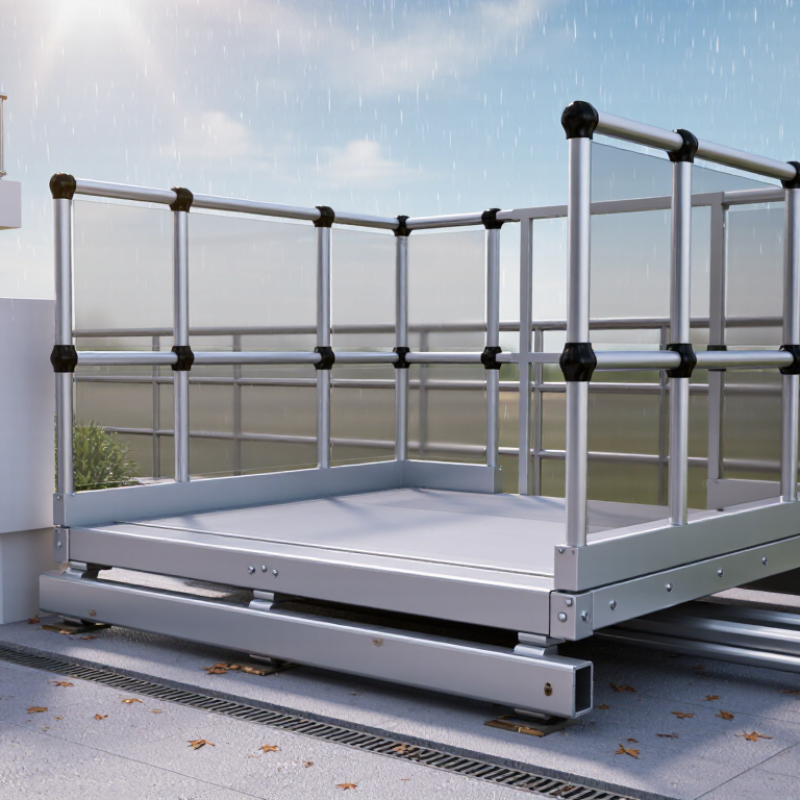
Assessing an outdoor platform lift in China should begin with local weather exposure, not the enclosure alone. The World Meteorological Organization’s State of the Climate in Asia 2023 recorded 79 weather, climate, and water-related hazards across the region. Floods and storms caused most reported losses. This makes drainage, wind exposure, and water entry immediate inspection priorities.
Check the lift’s platform, guide rails, doors, control cabinet, and foundation. Look for standing water, blocked drains, rust at fasteners, cracked seals, and peeling protective coatings. Coastal sites need special attention because salt can attack metal joints and electrical connections. In northern regions, freezing water can expand inside gaps. Snow and ice may also increase platform loading. Confirm the rated load against local conditions and actual use.
Wind deserves a measured assessment. Review site wind data and compare it with the lift’s design limits. China’s meteorological records show that extreme rainfall and strong convective weather are recurring risks in many provinces. WMO also reports that Asia is warming faster than the global average, which can intensify heat, rainfall, and material fatigue. Protective ratings should match the installed environment, while drainage and electrical protection should follow applicable safety requirements, including ISO 9386-1 guidance for powered lifting platforms.
Do not rely on a visual check alone. Use insulation testing, grounding verification, corrosion measurement, and door interlock tests. A small seal failure can become a control fault. That possibility is easy to underestimate. Record findings with photographs, weather history, and maintenance dates, then reassess after the first severe storm.
How to Weatherize a China Top Outdoor Platform Lift?
Clean, Repair, and Seal Exposed Lift Components
Outdoor platform lifts face rain, salt, dust, ultraviolet light, and freezing temperatures. Corrosion is not cosmetic. The NACE IMPACT study estimated global corrosion costs at 3.4% of worldwide gross domestic product, or about $2.5 trillion annually. That figure explains why small rust spots deserve attention.
Begin with power isolation by a qualified technician. Remove mud and salt using a soft brush, clean water, and a mild detergent. Avoid pressure-washing control boxes, switches, bearings, and cable glands. Inspect the platform frame, fasteners, rails, hinges, drain holes, and exposed wiring. Look for blistered paint, white oxidation, pitting, cracked insulation, and loose connections. Take photographs. They reveal slow changes between inspections.
Repair load-bearing damage according to ASME A18.1 requirements and the lift’s service instructions. Do not paint over deep pitting. Replace weakened hardware with compatible, corrosion-resistant parts. After drying, apply a suitable primer and a UV-resistant topcoat to prepared metal. Seal cable entries with outdoor-rated glands, but keep drainage paths open. A seal that traps water can worsen corrosion. It happens.
The Insurance Institute for Business & Home Safety reports that wind-driven rain commonly enters through vulnerable joints and openings. Therefore, check roof edges, covers, and enclosure seams after storms. Lubricate approved moving points sparingly; excess grease collects grit. Record cleaning dates, defects, repairs, and weather exposure. Monthly checks may be reasonable in coastal or high-rain areas, but local conditions should decide the interval. My practical caution: sealing alone is never a repair.
| Lift Component | Typical Outdoor Exposure | Cleaning Method | Repair or Inspection Task | Weatherproofing Action | Recommended Interval | Acceptance Criteria |
|---|---|---|---|---|---|---|
| Platform Deck and Ramp | Rainwater, mud, road salt, standing water, and freeze-thaw cycles. | Remove debris with a soft brush. Wash with mild detergent and clean water. Dry drainage holes and walking surfaces completely. | Check for loose fasteners, cracked welds, distorted edges, sharp projections, and blocked drainage paths. | Apply a compatible anti-corrosion coating to exposed steel surfaces. Do not coat the non-slip walking surface with a slippery product. | Monthly and after severe storms. | Deck is stable, slip-resistant, free of sharp edges, and drains water without pooling. |
| Hydraulic Cylinder and Rod | Moisture, dust, grit, condensation, and corrosion on the exposed rod. | Wipe the rod with a clean, lint-free cloth. Remove grit without using abrasive paper or metal tools. | Inspect for oil leakage, pitting, scoring, bent rods, damaged rod seals, and abnormal movement. | Use only the hydraulic-fluid-compatible protective product specified by the lift manufacturer. Keep the rod surface clean and polished. | Monthly; inspect more often in coastal or salted-road areas. | No visible oil leakage, deep pitting, scoring, or irregular platform movement. |
| Hydraulic Hoses and Fittings | Ultraviolet radiation, abrasion, temperature changes, and salt spray. | Clean with a damp cloth and mild soap. Do not pressure-wash hose connections or use petroleum solvents on hose covers. | Check for cracks, blisters, abrasion, damp fittings, loose couplings, and hose contact with moving parts. | Replace damaged hoses and install protective sleeves or clamps where rubbing may occur. Seal threaded connections using an approved method. | Monthly and during every scheduled service. | No hydraulic seepage, exposed reinforcement, severe abrasion, or unsupported hose loops. |
| Power Unit and Hydraulic Reservoir | Rain, condensation, dust, low temperatures, and contaminated water. | Clean the exterior with a damp cloth. Keep ventilation openings clear and prevent water from entering the motor or reservoir cap. | Inspect fluid level, breather condition, motor mounting, electrical connections, and signs of overheating or leakage. | Use a weather-rated enclosure or cover that allows motor ventilation. Protect bare metal with a suitable corrosion-resistant coating. | Monthly; check before winter operation. | Fluid level is within the specified range, ventilation is unobstructed, and no water or oil contamination is present. |
| Electrical Control Box | Rain, humidity, condensation, dust, insects, and ultraviolet exposure. | Isolate power before cleaning. Wipe the enclosure exterior with a dry or slightly damp cloth; never spray water into the box. | Inspect the door gasket, cable glands, hinges, locks, terminals, grounding conductor, and internal signs of condensation. | Replace hardened gaskets and damaged cable glands. Maintain the enclosure’s intended ingress-protection level and use a breather drain where required. | Every three months and after flooding or heavy rain. | Door closes evenly, gasket is continuous, cable entries are sealed, and no corrosion or moisture is visible inside. |
| Limit Switches and Safety Sensors | Water spray, ice, dirt, vibration, and misalignment caused by structural movement. | Remove dirt with a soft, dry brush. Do not force switch plungers or use high-pressure water. | Check mounting security, actuator alignment, wiring insulation, and correct operation during a controlled test. | Use weather-rated components and sealed cable entries. Keep protective covers fitted where provided. | Before regular use and at least monthly. | Each safety device stops or prevents unsafe movement as intended and resets only under normal conditions. |
| Guide Rails, Rollers, and Pivot Points | Dust, grit, rainwater, ice, corrosion, and loss of lubrication. | Brush away debris and wipe contact surfaces clean. Remove old, contaminated lubricant before reapplying. | Inspect for excessive play, binding, worn rollers, damaged bearings, loose brackets, and uneven movement. | Apply the lubricant specified for the component and outdoor temperature range. Protect exposed steel after removing surface rust. | Monthly or according to the service schedule. | Movement is smooth and level, with no binding, unusual noise, excessive play, or visible structural corrosion. |
| Fasteners, Hinges, and Brackets | Salt spray, galvanic corrosion, vibration, and repeated wet-dry cycles. | Clean with a nylon brush and mild detergent. Dry thoroughly before inspection. | Check for looseness, rust staining, stripped threads, missing washers, cracked brackets, and damaged locking devices. | Replace severely corroded hardware with compatible corrosion-resistant fasteners. Use approved anti-seize only where permitted. | Every three months and after unusual vibration. | Fasteners are secure, locking features are installed, and no bracket has cracks or significant section loss. |
| Safety Edges, Handrails, and Guardrails | Impact, ultraviolet exposure, rain, ice, and corrosion at joints. | Wash with mild detergent and a soft cloth. Remove ice without striking the components. | Inspect for deformation, loose rails, damaged safety edges, missing end caps, and exposed sharp surfaces. | Seal compatible joints and touch up exposed metal. Replace damaged safety edges rather than patching them. | Before each use and after impact. | Guarding is rigid and complete, safety edges respond correctly, and no gap creates a trapping or fall hazard. |
| Base Frame and Anchor Points | Groundwater, splashback, standing water, soil contact, and freeze-thaw movement. | Remove leaves, mud, and debris from around the frame. Keep drainage channels open. | Inspect anchors, welds, base plates, concrete, grout, and signs of settlement or water accumulation. | Improve drainage where necessary. Repair damaged coating and seal appropriate joints without blocking drainage outlets. | Every three months and after flooding or ground movement. | Anchors remain secure, the base is stable, drainage is effective, and no structural crack or severe corrosion is present. |
| Protective Cover or Weather Hood | Wind-driven rain, snow, sunlight, dust, and trapped condensation. | Clean the cover and ventilation openings. Remove accumulated snow and leaves without damaging the lift. | Check attachment points, tears, pooled water, blocked vents, and contact with moving components. | Use a breathable, securely fastened cover that sheds water while maintaining required ventilation and access to controls. | Monthly and before severe weather. | Cover is secure, dry inside, free from tears, and cannot interfere with platform travel or emergency access. |
| Winterization and Freeze Protection | Freezing water, ice buildup, snow load, and low-temperature hydraulic-fluid thickening. | Remove snow and ice before operation. Never use an open flame to thaw components. | Check fluid suitability, drainage, seals, battery condition if fitted, and emergency lowering functionality. | Follow the specified low-temperature fluid and storage procedure. Keep the platform fully lowered when recommended by the service instructions. | Before the cold season and after freezing conditions. | No frozen moving parts, blocked drainage, brittle hoses, or abnormal start-up and lowering behavior. |
| Final Functional Test | Combined effects of moisture, corrosion, contamination, and seasonal temperature changes. | Complete cleaning and drying before testing. Remove tools, covers, and loose materials from the travel area. | Run the lift through its approved operating cycle without passengers, then verify controls, emergency stop, alarms, and safety devices. | Record defects and corrective actions. Do not return the lift to service if a safety-critical fault remains. | After weatherization and before passenger use. | Operation is smooth and controlled, all safety functions work, and inspection records are complete. |
Outdoor platform lifts endure rain, salt air, snow, and sharp temperature changes. A weatherization plan must protect the platform, drive system, and safety controls equally.
Start with the platform. Remove leaves and standing water from the deck, hinges, and drainage channels. Keep drains clear. Use corrosion-resistant fasteners where approved. Apply a compatible protective coating to exposed steel, but never cover traction surfaces. A breathable cover can reduce moisture buildup during storage.
Water finds weak points. Inspect welds, handrails, and access gates after storms.
The drive system needs a dry, clean enclosure with proper ventilation. Check seals around motors, gearboxes, cable entries, and control cabinets. Lubricate moving parts according to the maintenance manual. Do not over-grease them.
In freezing conditions, remove ice before operation and check for stiff bearings. Snow can hide damage, so rushed clearing is a poor habit. I have seen neglected drainage cause more trouble than heavy rain.
Safety controls require special care. Keep emergency stops, limit switches, sensors, and call stations free from dirt and ice. Confirm that covers close firmly without trapping condensation.
A qualified technician should test insulation, grounding, residual-current protection, and control responses under local electrical requirements. Never bypass a safety device during winter checks.
Record unusual noises, delayed stops, or intermittent buttons, even when the lift still runs. Small faults often become expensive failures.
An outdoor platform lift needs protection from rain, snow, and sudden temperature changes. Drainage should be checked before adding covers. Water must leave the platform, base, and control areas without pooling. Water wins.
Keep the lift slightly clear of surrounding soil and paving. Inspect drain channels for leaves, mud, and ice. A gentle slope can guide runoff away from the lifting structure. Avoid sealing every opening, because trapped moisture may cause corrosion and electrical problems. Small gaps matter. However, large gaps can expose sensitive components to wind-driven rain.
Use fitted, breathable covers during long periods of disuse. The cover should protect the controls and platform surface without touching moving parts. Leave ventilation space underneath. Wet fabric pressed against metal can freeze overnight.
Cold exposes weakness. In freezing regions, check hydraulic fluid, batteries, seals, and cables according to the equipment manual. Remove snow with a soft brush, not sharp tools. Never operate the lift when ice blocks the platform or safety edges.
During one winter inspection, I found a dry-looking cover hiding moisture near the control enclosure. The cover was useful, but its lower edge needed better ventilation. That small detail changed the maintenance plan.
Weatherization is not a one-time task. Inspect after heavy rain, freezing nights, and strong wind. Local conditions can defeat a solution that worked last season.
A weatherized outdoor platform lift needs seasonal attention, not only a waterproof cover. NACE’s IMPACT study estimated global corrosion costs at about $2.5 trillion annually, equal to roughly 3.4% of global gross domestic product. Salt air, standing water, and damaged coatings can quietly attack brackets, fasteners, and guide components. Inspect the enclosure after every major storm. Check roof seams, door seals, drainage holes, platform edges, and cabinet vents. Remove leaves before they become wet sludge. Small problems grow quickly.
Winter requires a different routine. Clear ice without striking sensors or switches. Confirm that drainage paths remain open, especially after freezing nights. In spring, inspect rust around anchor bolts, welds, and the lower platform frame. Summer heat can harden seals and fade protective coatings. NOAA’s 2023 annual climate report identified that year as the warmest in its global record at that time, reminding owners that heat and intense weather deserve attention. Coastal sites need more frequent rinsing with clean water. Do not improvise lubrication. Use the maintenance instructions and have a qualified technician verify limit switches, emergency lowering, brakes, and safety edges. ASME A18.1 calls for inspection and maintenance of platform lifts by competent personnel. A clean enclosure is not proof of safety. Check the hidden parts, too.
Protect the platform, drive system, and safety controls equally. Rain often exposes weak points.
Remove leaves and standing water from the deck, hinges, and drainage channels. Keep every drain open. Inspect welds, handrails, and gates after storms.
Apply a compatible coating only to exposed steel. Never coat traction surfaces. That mistake can reduce platform grip.
Use a breathable cover to limit moisture buildup. Avoid sealed covers that trap condensation. Check the platform periodically.
Keep the enclosure dry, clean, and ventilated. Check seals around motors, gearboxes, cables, and control cabinets. Lubricate parts according to the manual.
Remove ice before operation. Check for stiff bearings and blocked drainage paths. Snow can hide damage, so rushed clearing is risky.
Keep emergency stops, limit switches, sensors, and call stations free from dirt and ice. Confirm covers close firmly without trapping condensation.
A qualified technician should test insulation, grounding, residual-current protection, brakes, and control responses. Local electrical requirements still matter.
Inspect it after major storms and throughout every season. Check seals, vents, platform edges, anchor bolts, coatings, and hidden guide components.
Record unusual noises, delayed stops, intermittent buttons, rust, and damaged seals. The lift may still run. Small faults can become costly failures.
Weatherizing an outdoor platform lift begins with a careful assessment of its location, structure, and exposure to rain, snow, wind, dust, humidity, and temperature changes. To understand how to weatherize an outdoor platform lift, inspect the platform, rails, fasteners, wiring, drive system, and safety controls for corrosion, cracks, water entry, or loose connections. Clean away dirt and debris, repair damaged parts, and apply suitable protective seals or corrosion-resistant coatings where needed.
The platform and drive components should be protected with properly fitted covers that allow ventilation while preventing water accumulation. Improve drainage around the lift, keep moving areas clear, and add cold-weather protection to reduce the effects of freezing temperatures. Electrical controls should remain dry and securely enclosed. Throughout the year, inspect seals, covers, drainage paths, lubrication points, and safety devices. Seasonal maintenance helps identify early problems, preserve reliable operation, and support safer use in changing outdoor conditions.

Keg Lift