Explore our range of heavy-duty aerial platforms and customizable cargo lifting systems engineered for reliability under extreme industrial conditions.
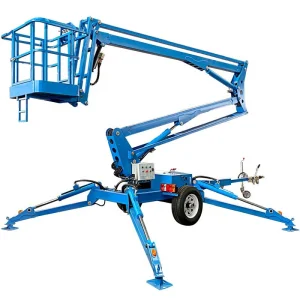
In the high-stakes sectors of construction, industrial automation, and high-density warehouse logistics, modern engineering demands uncompromising safety and structural performance. As a prominent industrial hub, China's manufacturing sector has progressed beyond simple production capacities to pioneer highly customized, high-reliability lifting machinery. This evolution is led by manufacturers who seamlessly integrate design, structural analysis, robotic fabrication, and global compliance testing.
Shandong Keg Lift Technology Co., Ltd. stands at the forefront of this industrial transformation. Operating out of China's high-tech manufacturing corridors, we specialize in high-load structural platforms, intelligent material-handling apparatuses, and specialized residential vertical lifts. Our methodology combines advanced materials engineering with smart industrial design, resulting in machines that deliver long service lives, structural stability, and a reduced Total Cost of Ownership (TCO) for logistics providers, builders, and facility managers globally.
Industrial performance is determined by dynamic structural calculations. Our engineers evaluate wind load resistance, dynamic torque, and metal fatigue factors on all articulating and scissor systems, ensuring structural integrity that exceeds international requirements (such as CE, ISO, and ANSI/EN280 protocols).
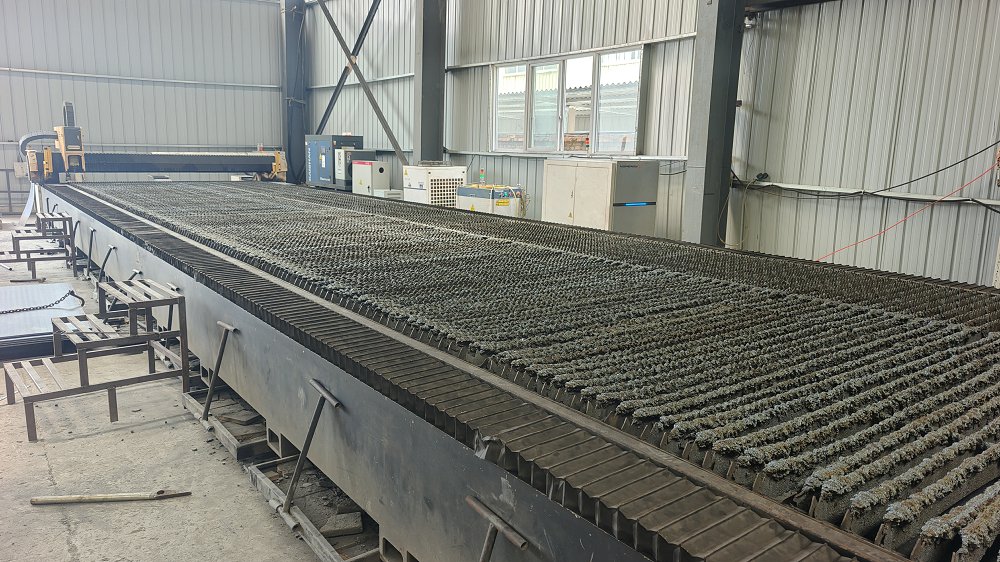
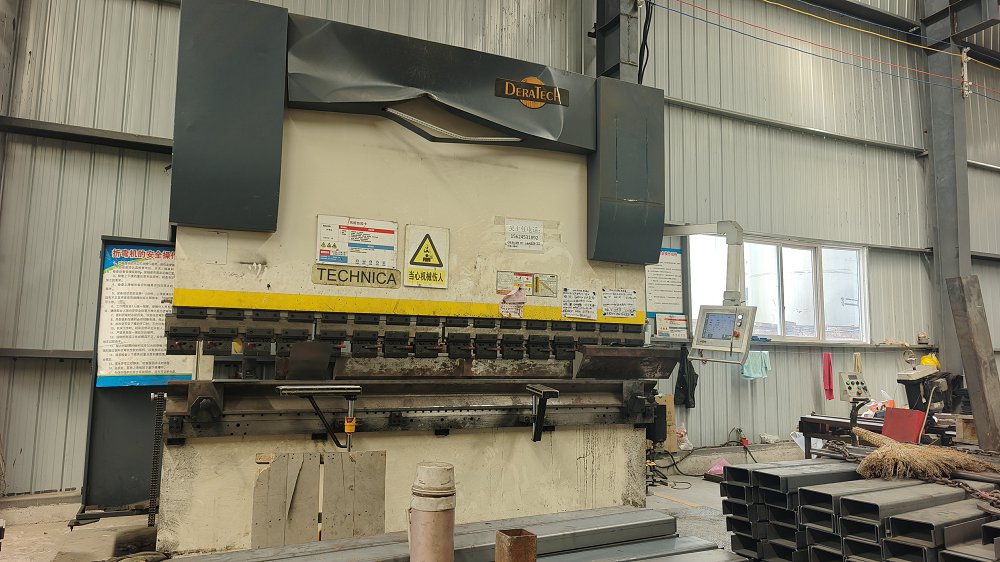
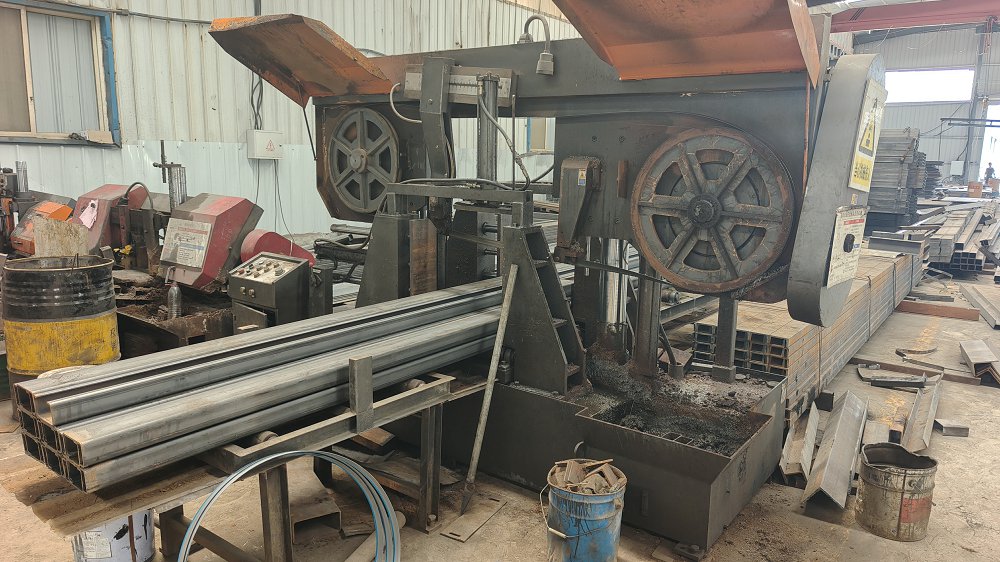
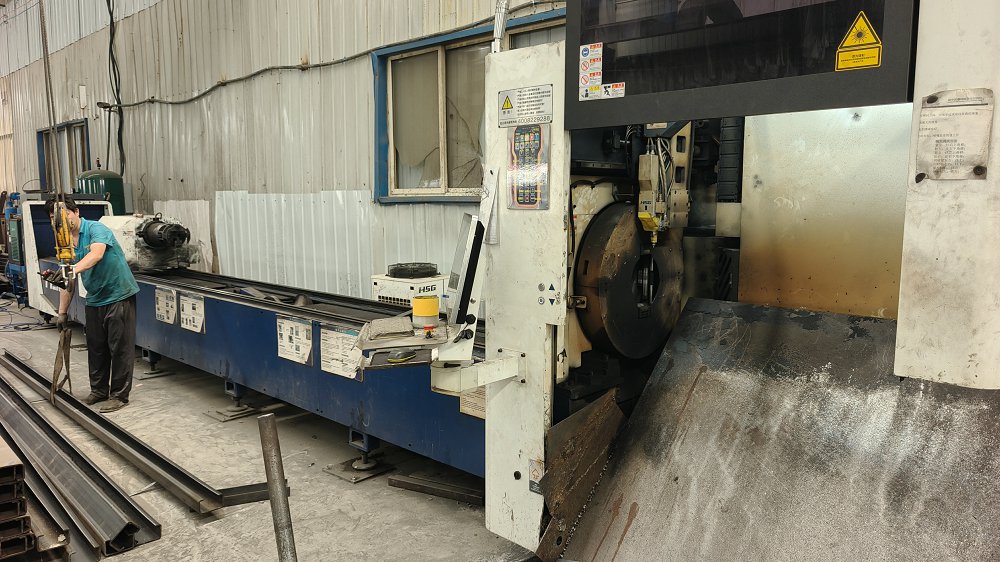
Quality and reliability in crane and lifting machinery manufacturing are determined by the precision of each production step. The manufacturing pipeline at Shandong Keg Lift Technology Co., Ltd. features structural component accuracy down to fractions of a millimeter, reducing stress concentration in structural joints and extending overall machinery lifespan.
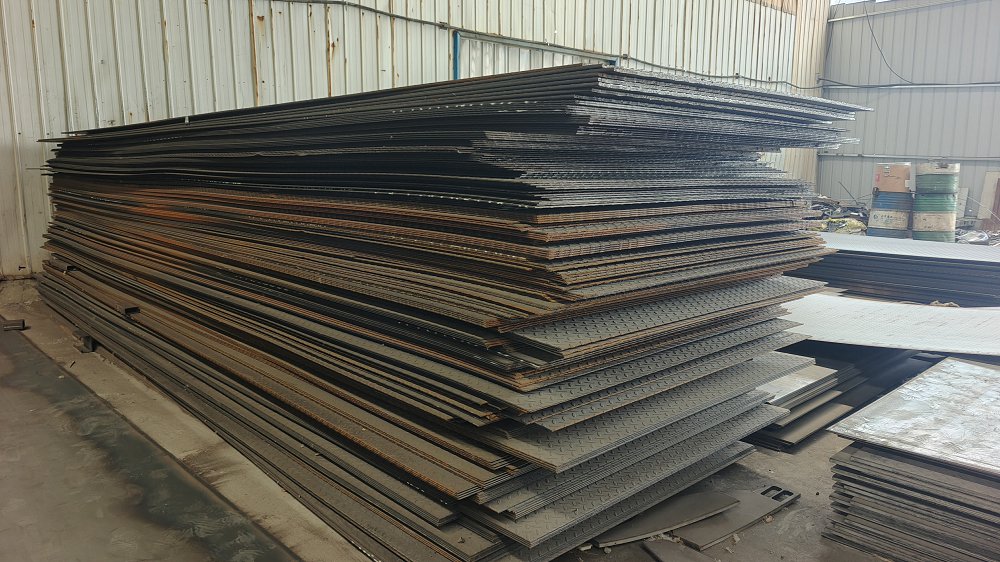
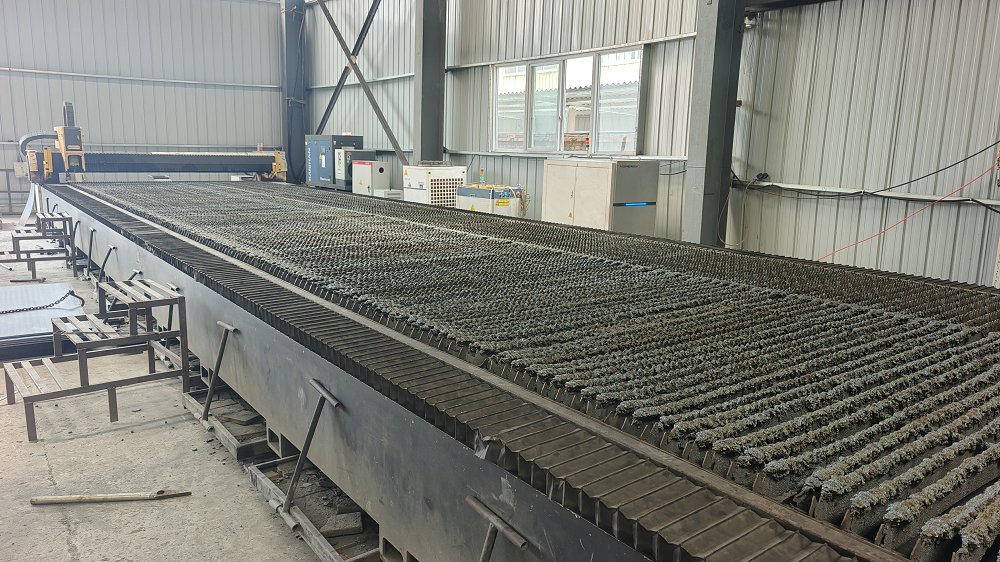
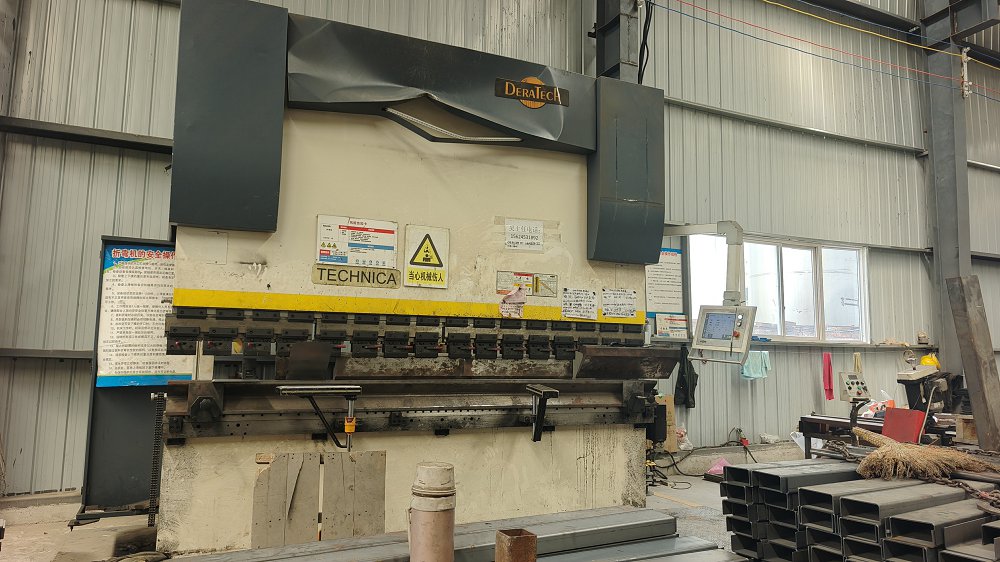
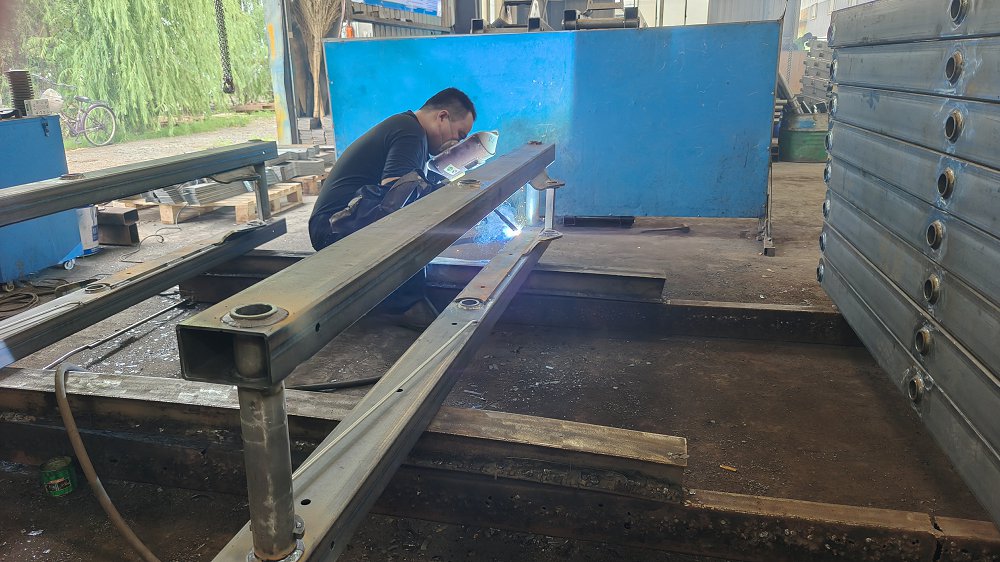
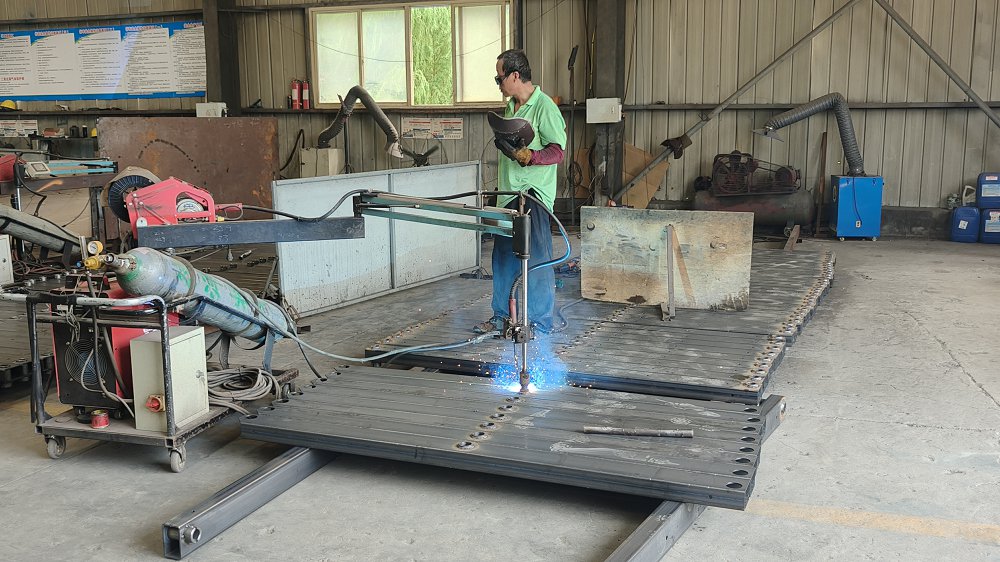
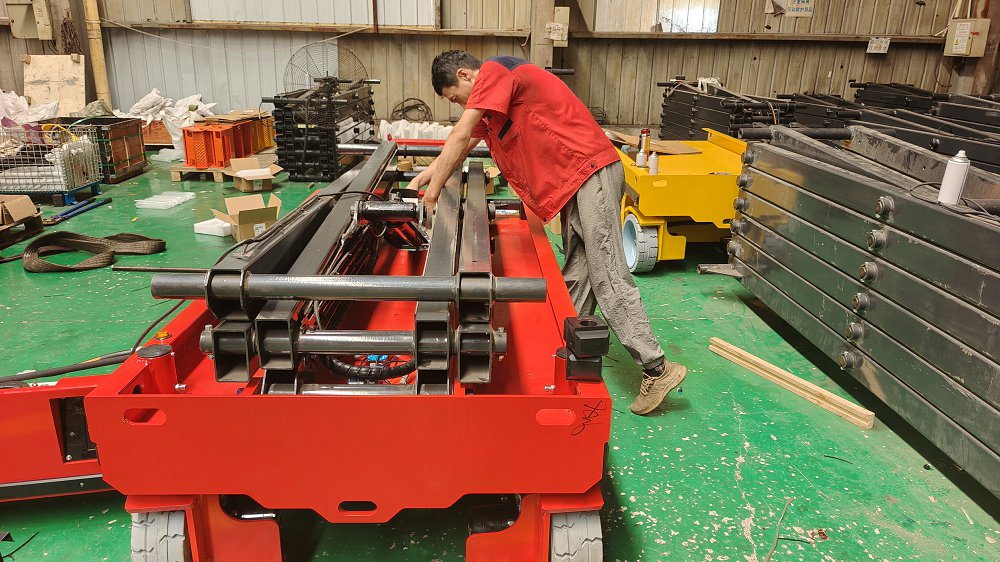
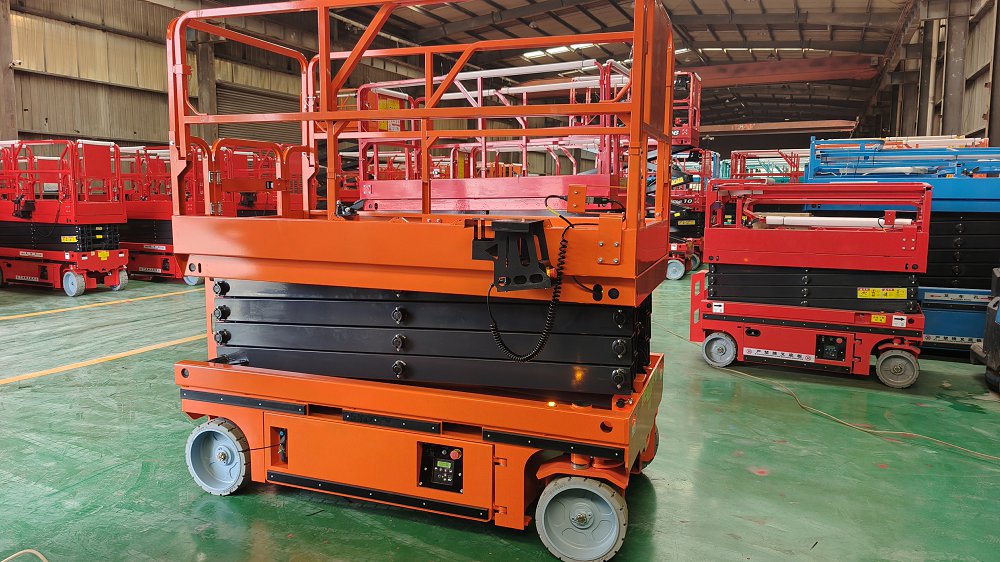
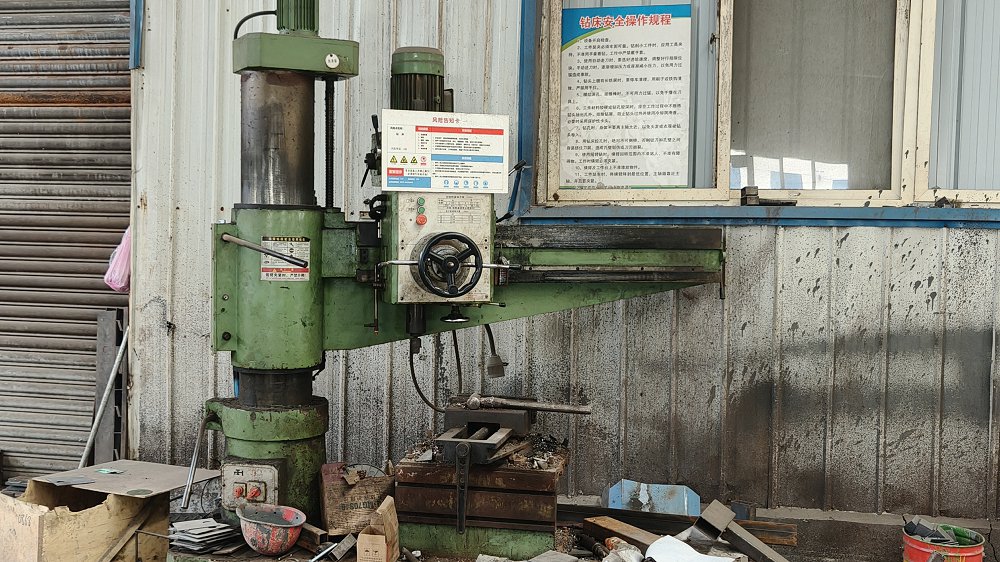
Our factory utilizes high-grade tooling and automated machinery to maintain minimal tolerances and structural reliability across all components. Our structural fabrication facilities are equipped with the following technology:
Procuring industrial lifting systems involves complex requirements. Procurement officers and site operations directors balance equipment cost with safety certifications, lead times, maintenance costs, and lifecycle value. Understanding these purchasing requirements is essential for modern manufacturing partners.
Modern sites require certifications like CE (EU), OSHA/ANSI (North America), AS/NZS (Oceania), and local pressure vessel/elevator standards. Hardware without these certifications risks downtime and operational liability.
Standard machines often do not fit pre-existing shafts or tight layouts. Successful procurement depends on engineering teams who can customize height tolerances, load ratings, chassis profiles, and power options.
Delays in structural equipment shipments can halt major construction or renovation projects. Reliable manufacturing relies on coordinated production lines and experienced logistics partners to handle maritime freight and customs clearance.
Different projects demand specialized machinery. We analyze and address the distinct requirements of various industrial sectors.
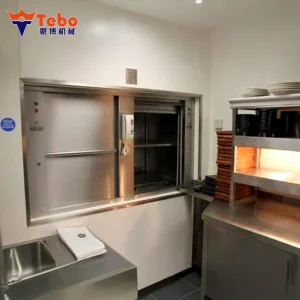
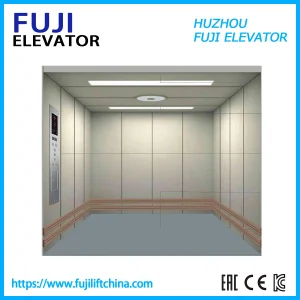
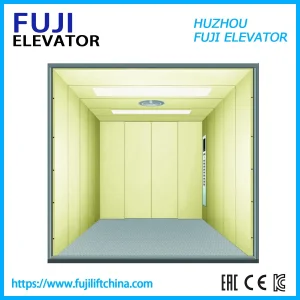
Industrial storage facilities face challenges with vertical space utilization. Heavy goods must move quickly and safely without disrupting workflow. Heavy cargo freight elevators and warehouse lifts help solve this challenge. By installing custom FUJI-technology cargo lifters with mechanical rigidity and variable frequency controls, facilities can move multi-ton shipments with minimal leveling error and vibration, protecting fragile goods and reducing component wear.
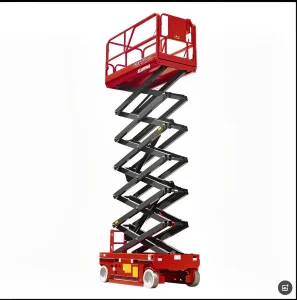
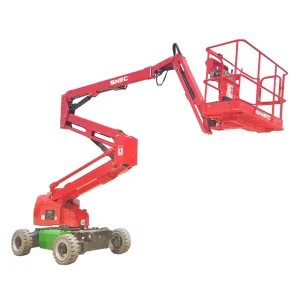
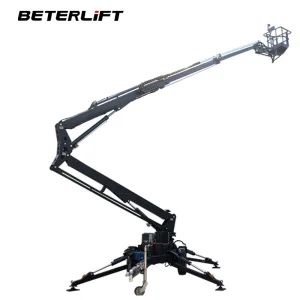
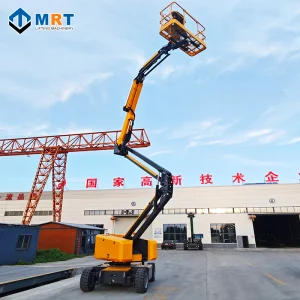
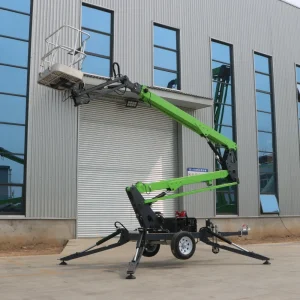
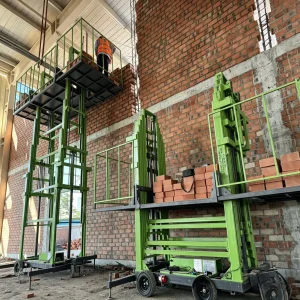
Modern building renovation, historical building preservation, and commercial maintenance require high reach without high weight. Heavy cranes and scissor platforms can crack concrete surfaces or damage delicate floors. Our spider lift platforms and trailer-mounted telescopic cherry pickers address this. These systems deploy outriggers to spread the load over sensitive surfaces, and their compact travel widths allow them to enter narrow pathways while reaching heights of 8m to 24m.
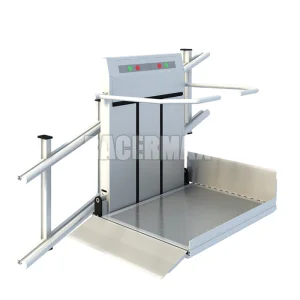
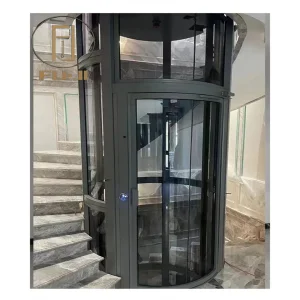
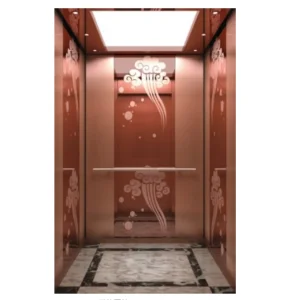
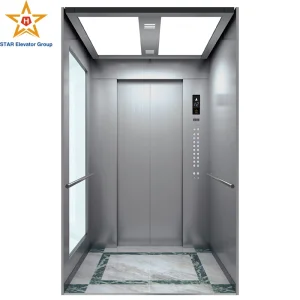
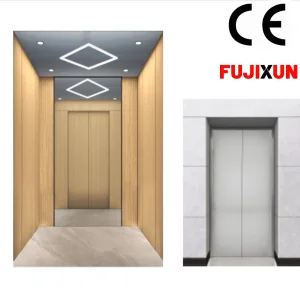
Residential properties require elevators that combine safety with interior aesthetics. Standard industrial lifts do not meet these aesthetic and space limitations. We design custom hydraulic, machine-room-less (MRL), and traction home elevators specifically for villas and multi-family homes. These systems run on single-phase or three-phase power, operate quietly, and offer custom cab finishes that integrate with home interiors.
Industry standards for vertical lift engineering are shifting toward digitalization, electric power, and automated diagnostics. At Shandong Keg Lift Technology Co., Ltd., we design our products to align with this technological evolution rather than just reacting to it. Our current R&D efforts are focused on four key areas:
Modern aerial lifts use sensors to monitor dynamic pressure, hydraulic oil temperature, load distribution, and battery health, uploading this data to a central cloud for predictive maintenance.
To reduce emissions and noise on urban jobsites, we are transitioning from standard lead-acid batteries and small diesel engines to high-capacity lithium-ion battery packs with smart power management.
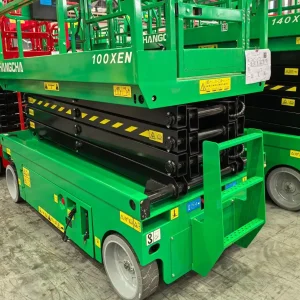
Our newer off-road scissor lifts and boom units feature automatic anti-tip detection, dynamic reach restriction based on basket weight, and proximity alerts to protect operators from overhead hazards.
Industrial development patterns vary by region, prompting different lifting equipment preferences across global markets:
The North American Market: Focuses on scissor and boom lifts that comply with ANSI/SIA A92.20 standards. Common requirements include emergency ground lower descent valves, active chassis oscillation for rough terrain, and standard hydraulic ports for service tools.
The European Market: Prioritizes tight emissions control (Stage V engines or purely electric drive systems) and strict machinery directives. Equipment must have CE marking with double-channel safety switches and load-sensing systems.
Emerging Industrial Hubs (APAC & LATAM): See high demand for durable cargo lifts and freight elevators to equip new logistics parks and electronics factories. Buyers focus on mechanical reliability, easy component sourcing, and high structural load ratings.
Purchasing heavy machinery from overseas requires reliable after-sales support. Shandong Keg Lift Technology Co., Ltd. addresses this through a localized distribution and service model designed to minimize downtime:
Discover our heavy-duty freight lifts, vertical passenger lifts, and articulating cherry pickers designed for industrial construction and infrastructure operations.
We answer common questions from industrial buyers and operations managers regarding specifications, custom orders, and logistics.
Machine-Room-Less (MRL) elevators use traction drive technology. They are suited for taller buildings (typically over 3-4 floors) because they support higher travel speeds, consume less power, and eliminate the need for a separate pump room. Hydraulic lifts are ideal for shorter vertical distances (2-3 floors) with high load capacities, and they require lower structural overhead clearance.
Our articulating and telescopic booms are constructed from high-tensile alloy steels, such as Q345B, welded by certified robotic systems. Every unit undergoes structural testing under load capacities that exceed its rated limit. The control architecture uses double-channel limit switches, automatic leveling valves, and dynamic load sensors to restrict movement if the platform exceeds stable operating parameters.
Yes. Custom engineering is a core part of our manufacturing process. We can adjust the pit depth, overhead headroom clearance, platform dimensions, and gate styles (including automatic side-sliding, center-opening, or manual folding gates) to fit existing building layouts.
Standard scissor and boom lifts are typically dispatched within 15 to 25 days. Customized passenger elevators, large-capacity freight elevators, and complex MRL villa lifts require detailed architectural drawings. Once you approve the drawings, fabrication generally takes 30 to 45 days, followed by standard shipping schedules.
We provide diagnostic support via video or email. If a component (such as a hydraulic valve or electronic controller) fails under warranty due to a manufacturing defect, we dispatch the replacement part via international express. We also work with regional distributors who can provide on-site service and installation support.
 Keg Lift